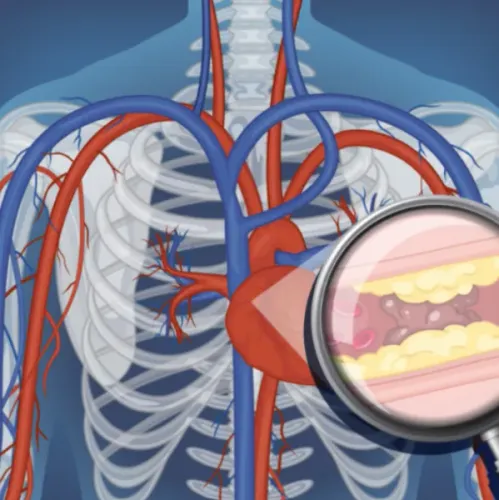


Blocked or narrowed heart arteries can reduce the supply of oxygen-rich blood to the heart muscle. This condition, often associated with coronary artery disease, may lead to symptoms such as chest discomfort, shortness of breath, fatigue, or reduced exercise tolerance. Angioplasty is one of the commonly performed procedures used to improve blood flow through narrowed coronary arteries.
For patients and families in Pune, understanding when angioplasty is considered, how the procedure works, and what recovery involves can help reduce uncertainty during cardiac treatment decisions.
What Is Angioplasty?
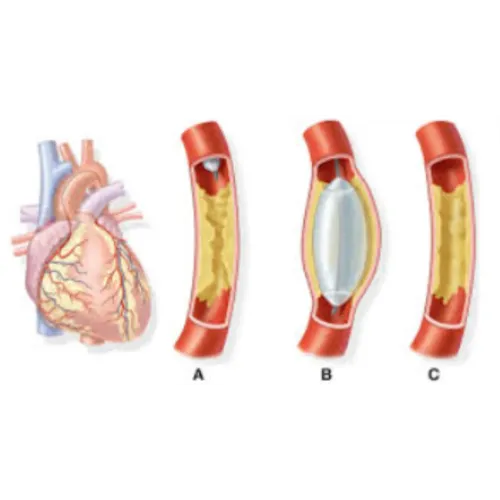
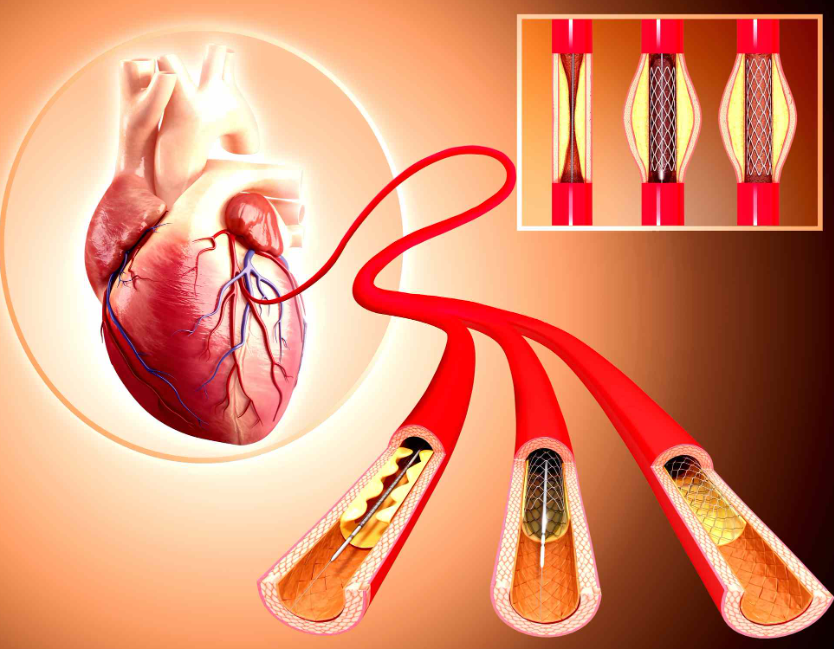
Angioplasty, also known as coronary angioplasty or percutaneous coronary intervention, is a minimally invasive procedure used to open narrowed or blocked arteries.
During the procedure, a thin catheter is guided through a blood vessel to reach the affected artery. A small balloon is then expanded at the blockage site to improve blood flow. In many cases, a stent is placed to help keep the artery open.
The goal of angioplasty is to restore better circulation to the heart muscle and reduce the impact of reduced blood supply.
Why Is Angioplasty Recommended?
Angioplasty is not required for every person with artery blockage. Doctors evaluate several factors before recommending the procedure.
It may be considered when:
- Significant artery narrowing affects blood supply
- Symptoms continue despite medication and lifestyle changes
- A heart attack occurs due to sudden artery blockage
- Tests indicate reduced blood flow to the heart
- The location and pattern of blockage are suitable for the procedure
The decision depends on individual health conditions, test results, and overall cardiac risk.
Angioplasty Compared With Other Treatment Options
Patients often want to understand whether angioplasty is the only option available. Treatment selection depends on the severity and complexity of coronary artery disease.
Possible approaches may include:
Medical management
Some patients may be managed with medicines, dietary changes, exercise guidance, and risk factor control.
Angioplasty
This may be suitable when specific artery blockages can be treated effectively through a minimally invasive approach.
Bypass surgery
In cases involving multiple complex blockages or certain artery patterns, surgical treatment may be considered.
A cardiologist or cardiovascular specialist reviews the complete condition before suggesting the most appropriate pathway.
What Happens After Angioplasty?
Recovery after angioplasty varies depending on the patient’s health, the complexity of the procedure, and whether it was performed during an emergency situation.
Patients are usually advised to focus on:
- Taking prescribed medicines regularly
- Following a heart-healthy diet
- Maintaining healthy activity levels
- Monitoring blood pressure, cholesterol, and diabetes
- Attending follow-up consultations
The procedure addresses the existing blockage, but long-term heart health also depends on managing the factors that contribute to artery disease.
Importance of Choosing Experienced Cardiac Care
Cardiac procedures require careful planning, accurate diagnosis, and appropriate follow-up. The treatment approach should consider not only the blockage but also the patient’s complete cardiovascular health.
Dr Ashish Khanijo Cardiac Specialist provides cardiac evaluation and treatment guidance for patients in Pune with coronary artery disease and related heart conditions. The focus remains on understanding each patient’s medical situation before discussing suitable treatment options.
Questions Patients Should Ask Before Angioplasty
Before undergoing angioplasty, patients and families may find it helpful to discuss:
- Why is angioplasty being recommended?
- What type of blockage has been identified?
- Are there alternative treatment options?
- What medicines will be required after the procedure?
- What lifestyle changes can support recovery?
Clear communication helps patients understand their treatment journey.
Maintaining Heart Health After Treatment
Angioplasty can improve blood flow, but ongoing heart care remains important. Regular health monitoring, medication compliance, and management of risk factors such as diabetes, cholesterol, and high blood pressure play an important role.
For individuals across Pune seeking guidance for coronary artery disease, understanding angioplasty and its role in heart treatment can help them approach cardiac care with better awareness.