

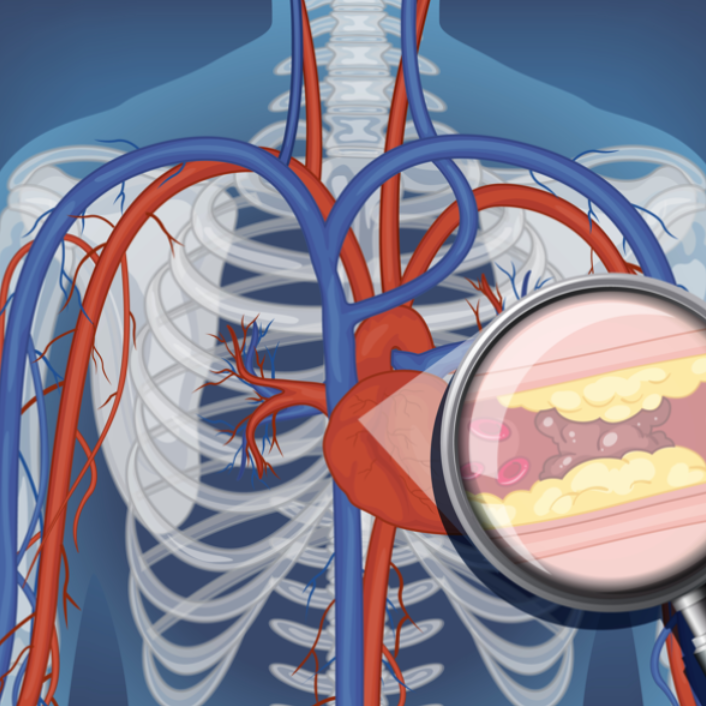
Some disorders developing inside the chest can progress with few obvious symptoms. Aneurysms and diseases of the chest are particularly important because they may involve the aorta, lungs, pleura, mediastinum, chest wall, or other structures located close to the heart.
Knowing how these conditions are investigated can help patients understand why timely specialist assessment matters.
What Is an Aneurysm?
An aneurysm is an abnormal enlargement or bulging of a weakened section of a blood vessel. When it develops in the aorta within the chest, it is known as a thoracic aortic aneurysm.
The aorta carries blood from the heart to the rest of the body. Because it handles blood under significant pressure, progressive enlargement can become clinically important.
Some aneurysms remain stable for years. Others enlarge and may eventually create a risk of complications such as dissection or rupture.
Symptoms May Not Always Be Obvious
A thoracic aortic aneurysm can sometimes be discovered incidentally during imaging performed for another reason.
When symptoms occur, they can vary depending on the aneurysm's size and location. Possible symptoms include:
- Persistent chest discomfort
- Upper back discomfort
- Shortness of breath
- Difficulty swallowing
- Hoarseness
- Cough
These symptoms can also occur with many unrelated conditions, so they should not be used for self-diagnosis.
Sudden severe chest or back pain, collapse, marked breathlessness, or other rapidly developing symptoms require urgent medical evaluation.
Chest Diseases Extend Beyond the Aorta
The chest contains several important structures, meaning thoracic surgeons may evaluate conditions affecting more than the lungs alone.
Examples include abnormalities involving the:
- Lungs
- Pleura surrounding the lungs
- Mediastinum
- Chest wall
- Trachea
- Oesophagus in selected multidisciplinary cases
- Thoracic blood vessels
The diagnostic pathway depends on the structure involved and the suspected disease.
How Aneurysms Are Assessed
Imaging plays a central role in identifying the location and dimensions of an aneurysm.
Depending on the clinical situation, assessment may involve echocardiography, CT angiography, MRI, or other cardiovascular investigations.
Doctors also consider factors such as blood pressure, symptoms, growth over time, family history, associated valve disease, connective tissue disorders, and previous cardiovascular conditions.
The presence of an aneurysm does not automatically mean immediate surgery is necessary.
Monitoring Compared With Intervention
Smaller or stable aneurysms may sometimes be monitored using scheduled imaging and medical management. Blood pressure control and management of cardiovascular risk factors can form an important part of care.
Intervention may be considered when the aneurysm reaches clinically significant dimensions, grows rapidly, produces concerning symptoms, or carries other features associated with increased risk.
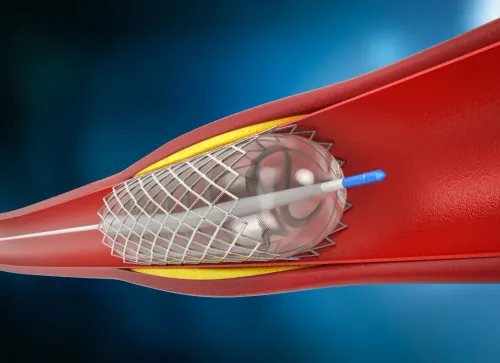
Depending on anatomy and disease characteristics, treatment may involve open surgical repair or an endovascular approach.
Why Individual Assessment Is Important
Two people with apparently similar aneurysm measurements may not necessarily receive identical recommendations.
Age, body size, anatomical location, valve abnormalities, family history, underlying genetic conditions, previous operations, and general health can all influence treatment planning.
This is why isolated measurements found on a scan should be interpreted within the complete clinical picture.
Chest Disease Assessment in Pune
Patients in Pune often have access to advanced cardiac and thoracic imaging, which can identify abnormalities before they produce major symptoms. When a scan reveals an aneurysm or another significant chest abnormality, specialist review helps determine whether observation, further testing, medical treatment, or intervention is appropriate.
Dr Ashish Khanijo Cardiac Specialist evaluates cardiothoracic and vascular conditions where coordinated assessment may be necessary.
Understanding the diagnosis is the first step. Patients should know exactly which structure is affected, how advanced the condition appears to be, whether it is changing, and what symptoms require urgent attention. This creates a clearer path for ongoing monitoring and appropriate treatment.