

Being advised to undergo an Angioplasty can feel overwhelming, especially if it is your first cardiac procedure. Patients often have questions about why it is needed, how to prepare, what happens during the procedure, and what recovery involves. Understanding each step can reduce anxiety and help patients participate more confidently in their treatment.
Angioplasty is a minimally invasive procedure performed to improve blood flow through narrowed or blocked coronary arteries. It is commonly recommended for patients with coronary artery disease when medication alone may not adequately relieve symptoms or when restoring blood flow is important to protect heart function.
The decision to perform angioplasty is usually based on findings from investigations such as angiography, clinical symptoms, and the patient's overall health.
Why Is Angioplasty Recommended?
Doctors may advise angioplasty for several reasons, including:
- Significant narrowing of one or more coronary arteries
- Chest pain caused by reduced blood supply to the heart
- Certain types of heart attacks
- Reduced blood flow affecting heart function
- Symptoms that continue despite medication
Not every patient with coronary artery disease requires angioplasty. Some individuals benefit from lifestyle changes and medicines, while others may need coronary bypass surgery depending on the severity and location of the blockage.
How Should You Prepare?
Proper preparation begins several days before the procedure.
Patients are generally advised to:
- Inform the doctor about all medications they are taking.
- Mention any allergies, especially to contrast dye or medications.
- Discuss existing conditions such as diabetes or kidney disease.
- Follow fasting instructions before the procedure.
- Arrange transportation if discharge is planned on the same day.
Bringing previous medical records, including ECGs, echocardiograms, blood reports, and angiography findings, can also help the healthcare team.
What Happens During Angioplasty?
The procedure is performed in a cardiac catheterisation laboratory.
The typical steps include:
- Local anaesthesia is given at the catheter insertion site.
- A thin catheter is inserted through the wrist or groin artery.
- The catheter is guided to the narrowed coronary artery.
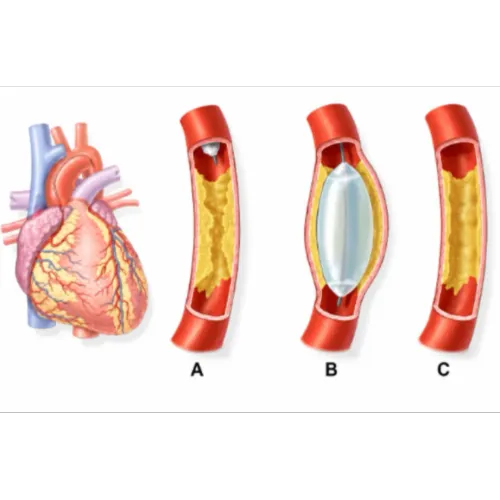
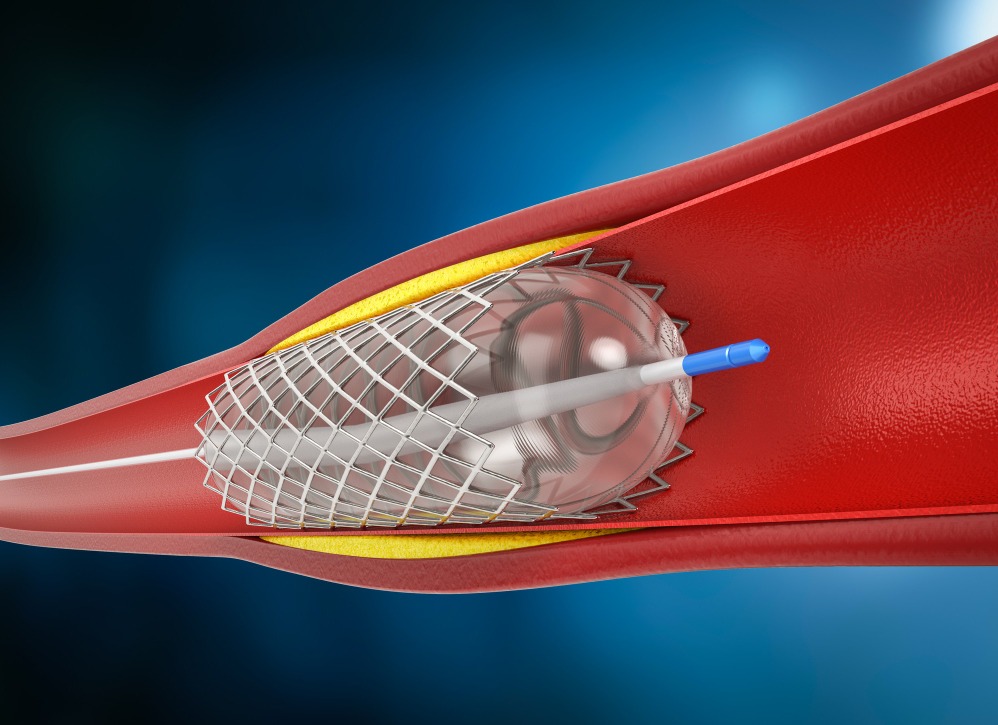
- A balloon is inflated to widen the blockage.
- In many cases, a stent is placed to keep the artery open.
- The catheter is removed after the procedure.
Patients usually remain awake and can communicate with the medical team throughout the procedure.
Recovery After Angioplasty
Recovery is often quicker than open-heart surgery, but following medical advice remains essential.
Most patients are encouraged to:
- Walk gradually as advised
- Drink adequate fluids
- Take prescribed medications regularly
- Monitor the catheter insertion site
- Avoid strenuous activity for the recommended period
- Attend scheduled follow-up appointments
Recovery timelines vary depending on age, overall health, and whether the angioplasty was performed as an emergency or planned procedure.
Lifestyle Changes Still Matter
One common misconception is that angioplasty permanently cures heart disease.
The procedure restores blood flow, but patients must continue protecting their heart through healthy habits such as:
- Eating a balanced diet
- Exercising under medical guidance
- Maintaining healthy blood pressure
- Controlling cholesterol levels
- Managing diabetes effectively
- Avoiding tobacco products
- Maintaining a healthy weight
These measures help reduce the risk of future cardiovascular events.
Questions Worth Discussing With Your Doctor
Before undergoing angioplasty, patients should feel comfortable asking:
- Why is angioplasty recommended instead of surgery?
- How many arteries are affected?
- Will a stent be required?
- What medications will I need afterward?
- How soon can I return to work and daily activities?
- What warning signs should I watch for after discharge?
Clear communication allows patients and families to understand both the procedure and the recovery process.
Pune has established itself as a major destination for advanced cardiac care, offering modern catheterisation laboratories and experienced cardiac specialists who manage both emergency and elective heart procedures.
Dr Ashish Khanijo Cardiac Specialist evaluates patients requiring coronary intervention by reviewing angiography findings, symptoms, and overall cardiovascular health before recommending the most appropriate treatment pathway. Every recommendation is based on careful clinical assessment rather than a routine approach.
Angioplasty has helped many patients manage coronary artery disease effectively, but its success depends not only on the procedure itself but also on long-term lifestyle management, regular follow-up, and adherence to medical advice. Patients who actively participate in their care are better positioned to maintain heart health for years to come.