

Lung conditions range from mild infections to more complex diseases that may require surgical treatment. While many respiratory illnesses respond well to medication, there are situations where Operations for the Lungs become an important part of managing the disease. Knowing when surgery may be considered helps patients seek timely evaluation and avoid unnecessary delays in treatment.
Lung surgery is recommended only after careful assessment by specialists. The decision is based on detailed imaging, pulmonary function tests, overall health, and the nature of the lung condition.
Conditions That May Require Lung Surgery
Several medical conditions can lead to surgical evaluation, including:
- Lung cancer
- Benign lung tumors
- Persistent lung nodules
- Recurrent collapsed lung
- Severe bronchiectasis
- Certain congenital lung abnormalities
- Chronic infections that do not respond to treatment
- Chest trauma affecting lung tissue
Not every diagnosis results in surgery. Many patients continue with medical treatment depending on the stage and severity of the disease.
Symptoms That Deserve Medical Attention
Although symptoms vary, patients should seek medical evaluation if they experience:
- A cough lasting several weeks
- Coughing up blood
- Persistent chest pain
- Breathlessness that worsens over time
- Repeated lung infections
- Unexplained weight loss
- Fatigue associated with respiratory symptoms
These symptoms do not necessarily indicate a serious condition, but they should not be ignored.
Diagnostic Tests Before Surgery
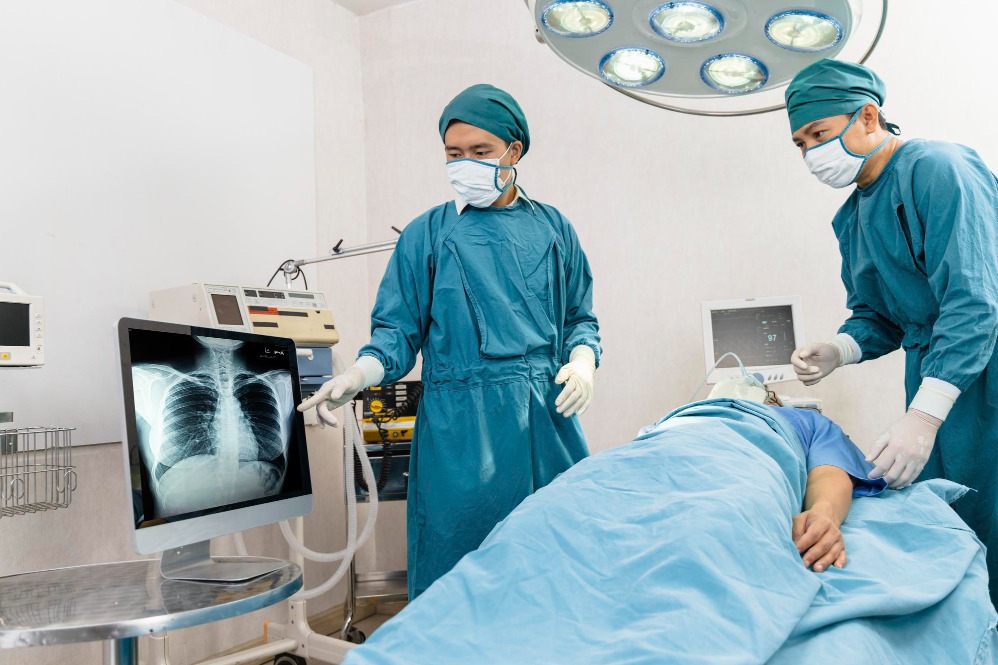
Before recommending lung surgery, doctors usually perform several investigations to understand the condition completely.
These may include:
- Chest X-ray
- High-resolution CT scan
- PET scan in selected cases
- Bronchoscopy
- Pulmonary function testing
- Blood investigations
- Tissue biopsy when required
Each investigation provides valuable information that helps determine whether surgery is appropriate.
Are All Lung Operations the Same?
No. The type of surgery depends entirely on the underlying diagnosis.
Possible procedures include:
- Removal of a small lung nodule
- Lobectomy (removal of one lung lobe)
- Wedge resection
- Pneumonectomy in selected complex cases
- Surgery for pleural disorders
- Procedures for collapsed lungs
The surgeon recommends the least invasive and most effective option whenever clinically appropriate.
Preparing for Lung Surgery
Patients can improve their recovery by preparing in advance.
Doctors often recommend:
- Quitting smoking
- Improving nutritional status
- Practising breathing exercises
- Managing chronic illnesses
- Completing all recommended investigations
- Understanding postoperative rehabilitation
Good preparation contributes to safer surgery and smoother recovery.
Recovery After Lung Surgery
Recovery varies according to the procedure performed and the patient's overall health.
Postoperative care may include:
- Breathing exercises
- Pain management
- Walking as advised
- Chest physiotherapy
- Nutritional guidance
- Scheduled follow-up imaging
Patients are encouraged to participate actively in rehabilitation to restore lung function and improve endurance.
Why Early Evaluation Matters
One of the biggest mistakes patients make is delaying consultation because symptoms appear mild or intermittent.
Early diagnosis allows doctors to:
- Identify diseases before they progress
- Explore non-surgical treatment when appropriate
- Plan surgery at the right stage
- Improve overall treatment outcomes
Timely evaluation often provides more treatment options than waiting until symptoms become severe.
Pune offers access to advanced thoracic care through multidisciplinary teams that include pulmonologists, radiologists, oncologists, and cardiothoracic surgeons. This collaborative approach ensures that every patient receives a personalized treatment plan based on comprehensive clinical evaluation.
Dr Ashish Khanijo Cardiac Specialist assesses patients requiring lung surgery after carefully reviewing diagnostic findings, respiratory function, and overall medical condition. Surgical recommendations are made only after considering all appropriate treatment options and discussing them thoroughly with patients and their families.
Operations for the lungs are performed with the goal of improving health, relieving symptoms, or treating underlying disease. Early consultation, accurate diagnosis, and informed decision-making remain the foundation of achieving the best possible outcomes for patients facing complex lung conditions.