

If your doctor has recommended an Angiography, it is natural to have questions about why the test is needed and what it involves. Many people worry that the procedure itself is a treatment, but angiography is actually a diagnostic investigation that helps doctors assess the condition of the blood vessels supplying the heart.
Understanding the process can reduce anxiety and help patients prepare for the procedure with confidence.
What Is Angiography?
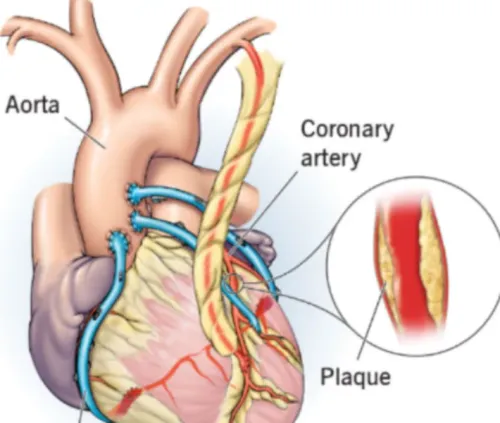
Angiography is a specialised imaging procedure used to detect narrowing or blockages in the coronary arteries. A thin catheter is inserted through an artery, usually in the wrist or groin, and guided towards the heart. A contrast dye is then injected, allowing doctors to visualise blood flow using X-ray imaging.
The information obtained during angiography helps determine the most suitable treatment plan.
Why Is Angiography Recommended?
Doctors may advise angiography if patients experience symptoms or test results suggesting coronary artery disease.
Common reasons include:
- Persistent chest pain
- Shortness of breath during activity
- Abnormal stress test findings
- Previous heart attack
- Suspected coronary artery disease
- Evaluation before certain heart surgeries
The test provides detailed information that cannot always be obtained through routine imaging.
Preparing for the Procedure
Patients usually receive instructions before the appointment.
Preparation may include:
- Fasting for several hours
- Informing the doctor about allergies
- Discussing current medications
- Completing blood investigations
- Arranging transportation home if advised
Patients with diabetes or kidney disease may receive additional guidance based on their individual medical needs.
What Happens During Angiography?
The procedure is generally performed in a specialised cardiac catheterisation laboratory.
During the procedure:
- The insertion site is cleaned and numbed with local anaesthesia.
- A catheter is inserted into the artery.
- Contrast dye is injected.
- X-ray images are recorded.
- The catheter is removed after imaging is complete.
Patients are usually awake throughout the procedure and may experience a brief warm sensation when the contrast dye is injected.
What Happens Afterward?
Following angiography, patients are monitored for several hours while the insertion site is observed for bleeding or swelling.
Doctors may recommend:
- Drinking adequate fluids
- Avoiding strenuous activity temporarily
- Monitoring the puncture site
- Taking prescribed medications
- Attending follow-up appointments
Most patients recover quickly and return home the same day or the following day, depending on their clinical condition.
Does Angiography Always Lead to Surgery?
One of the biggest misconceptions is that angiography automatically means heart surgery will follow.
In reality, angiography simply provides detailed information about the coronary arteries.
Depending on the findings, treatment may include:
- Lifestyle modification
- Medications
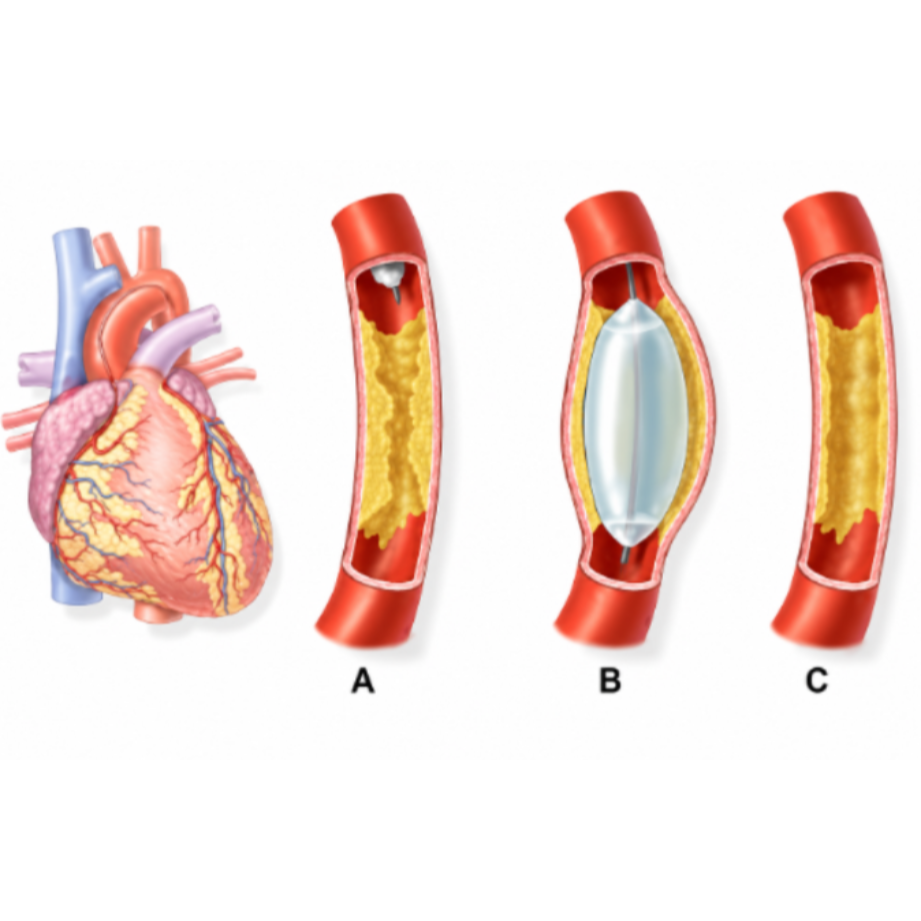
- Angioplasty with stent placement
- Coronary bypass surgery
- Continued observation
The final recommendation depends on factors such as the number of blocked arteries, severity of disease, symptoms, and overall health.
Questions Worth Asking Your Doctor
Before undergoing angiography, consider asking:
- Why is this test recommended?
- Are there any risks?
- How should I prepare?
- When will I receive the results?
- What treatments might be recommended afterward?
These discussions help patients understand both the purpose and possible outcomes of the investigation.
Pune is home to advanced cardiac centres equipped with modern catheterisation laboratories, allowing patients to undergo comprehensive evaluation close to home. Timely diagnosis plays an important role in planning appropriate treatment and reducing the risk of future cardiac complications.
Dr Ashish Khanijo Cardiac Specialist evaluates angiography findings alongside clinical symptoms, medical history, and additional investigations before recommending further management. Whether the next step involves medication, angioplasty, surgery, or ongoing monitoring depends on each patient's unique clinical profile.
Angiography is an important diagnostic tool rather than a treatment itself. By identifying the exact nature of coronary artery disease, it enables doctors to recommend evidence-based care tailored to each patient's condition, helping individuals make informed decisions about their heart health.