

When blocked heart arteries are diagnosed, one of the first questions patients ask is whether they need Coronary Bypass Surgery or an angioplasty. While both treatments aim to improve blood flow to the heart, they are designed for different clinical situations. Understanding the differences can help patients have informed discussions with their healthcare team.
Coronary artery disease develops when fatty deposits narrow or block the arteries supplying blood to the heart muscle. Depending on the severity and location of these blockages, treatment may range from medication to minimally invasive procedures or surgery.
What Is Angioplasty?
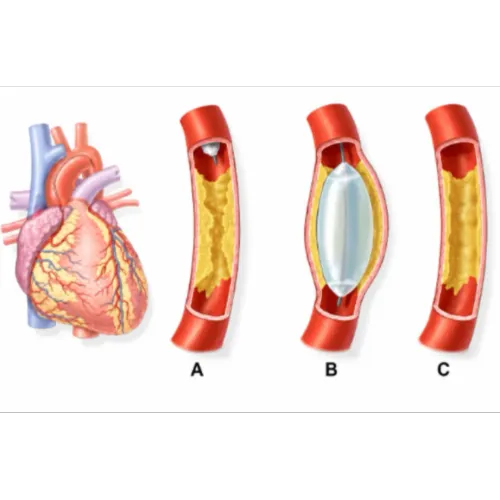
Angioplasty is a catheter-based procedure in which a small balloon is used to widen a narrowed artery. In many cases, a stent is placed to help keep the artery open. The procedure is performed through a blood vessel, usually in the wrist or groin, without opening the chest.
Angioplasty is commonly recommended for:
- Single or limited artery blockages
- Certain emergency heart attacks
- Patients with suitable artery anatomy
- Individuals who meet specific clinical criteria
Recovery is generally quicker, with many patients returning to routine activities within a relatively short period, depending on their overall condition.
What Is Coronary Bypass Surgery?
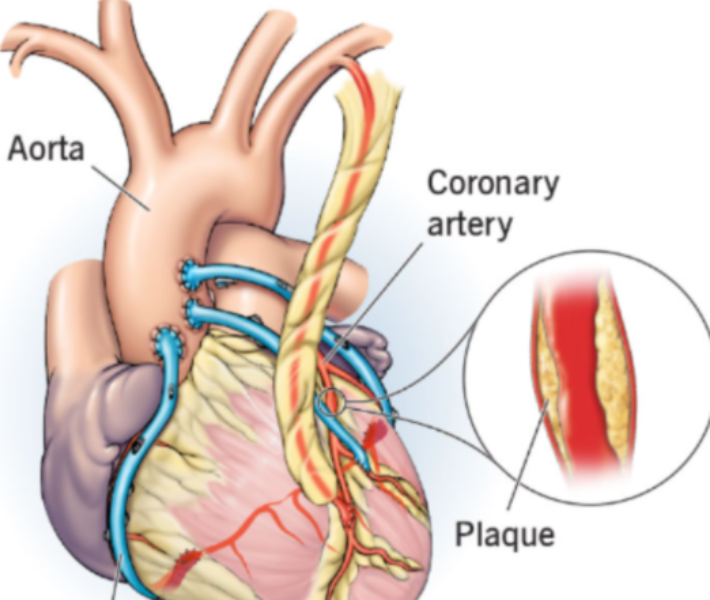
Coronary Bypass Surgery, also known as CABG, creates a new pathway for blood to flow around blocked arteries. Blood vessels taken from another part of the body are used to bypass the blocked sections, allowing the heart muscle to receive an improved blood supply.
Doctors may recommend bypass surgery for patients with:
- Multiple blocked coronary arteries
- Complex blockages
- Left main coronary artery disease
- Diabetes with extensive coronary disease
- Reduced heart function in selected cases
- Situations where angioplasty may not provide the desired long-term outcome
The decision is based on detailed imaging, overall health, and the patient's specific diagnosis.
How Do Doctors Decide?
There is no universal answer. Cardiologists and cardiothoracic surgeons carefully evaluate several factors before recommending treatment.
These include:
- Number of blocked arteries
- Location and complexity of blockages
- Heart pumping function
- Age and general health
- Diabetes or kidney disease
- Previous cardiac procedures
- Risk of future complications
In many hospitals, these decisions are discussed by a multidisciplinary heart team to ensure patients receive evidence-based recommendations.
Comparing the Two Procedures
While both treatments improve blood flow, they differ in several important ways.
Angioplasty
- Less invasive
- Usually shorter hospital stay
- Faster recovery
- Suitable for selected blockages
- May require additional procedures in some patients over time
Coronary Bypass Surgery
- Open-heart surgical procedure
- Longer recovery period
- Often preferred for extensive or complex coronary disease
- Can provide durable results for appropriately selected patients
- Addresses multiple blocked arteries during a single operation
Neither option is 'better' for everyone. The most appropriate treatment depends entirely on individual circumstances.
Questions Patients Should Ask
If you have been advised to undergo coronary intervention, consider discussing the following with your doctor:
- Why is this treatment recommended?
- Are there alternatives?
- What benefits can I expect?
- What are the possible risks?
- How long is the recovery?
- Will lifestyle changes still be necessary?
- What follow-up care will I need?
Being informed allows patients and families to participate actively in treatment planning.
Recovery and Lifestyle
Regardless of whether a patient undergoes angioplasty or bypass surgery, long-term heart health depends on continued care.
Doctors generally recommend:
- A heart-healthy diet
- Regular physical activity
- Blood pressure management
- Diabetes control
- Cholesterol management
- Smoking cessation
- Regular follow-up appointments
These lifestyle measures remain essential even after successful treatment.
Patients in Pune often benefit from access to comprehensive cardiac care, including advanced diagnostics, experienced specialists, rehabilitation services, and multidisciplinary treatment planning.
Dr Ashish Khanijo Cardiac Specialist evaluates patients referred for coronary surgery by reviewing angiography findings, medical history, and overall cardiovascular health before discussing the most suitable treatment options. Every recommendation is individualised rather than based on a standard approach.
Choosing between coronary bypass surgery and angioplasty should never be based solely on recovery time or convenience. A careful assessment by experienced specialists helps ensure that treatment aligns with the patient's medical condition, long-term health goals, and expected outcomes.