The heart depends on a regular electrical system to maintain a steady heartbeat. When this system does not function properly, some people may experience slow heart rates, irregular rhythms, dizziness, fatigue, or episodes of fainting. In selected cases, Pacemaker Implantation may help regulate the heart’s rhythm and support normal cardiac function.
For patients in Pune diagnosed with rhythm-related heart conditions, learning about pacemakers can help them understand why the procedure may be recommended and what to expect before and after implantation.
What Is a Pacemaker?
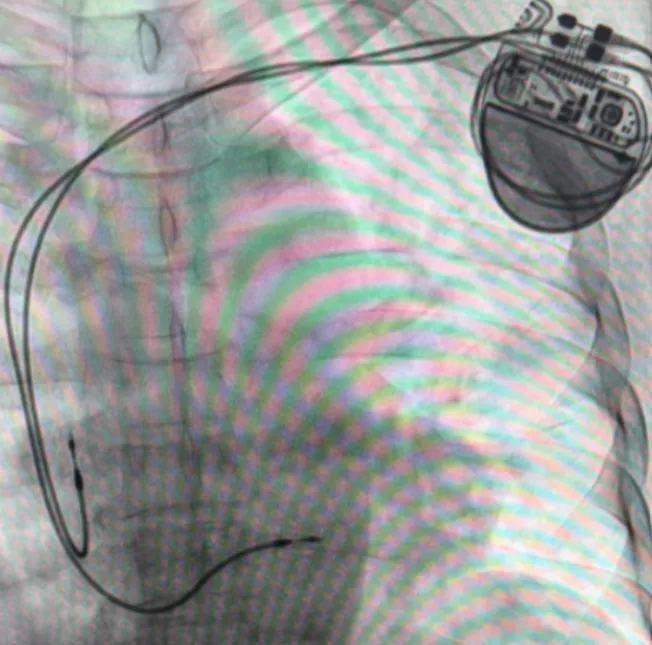
A pacemaker is a small medical device designed to help control abnormal heart rhythms. It sends electrical impulses to the heart when the natural electrical system is unable to maintain an appropriate rhythm.
The device generally consists of:
- A pulse generator that creates electrical signals
- Leads that connect the device to the heart chambers
- A programming system used by doctors for monitoring and adjustments
The pacemaker works according to the individual patient’s heart rhythm requirements.
Conditions That May Require a Pacemaker
Pacemaker implantation is mainly considered for certain electrical problems of the heart.
Doctors may recommend it for conditions such as:
- Slow heartbeat (bradycardia)
- Problems with electrical signal transmission between heart chambers
- Certain rhythm disorders
- Symptoms caused by inadequate heart rate
Not every irregular heartbeat requires a pacemaker. Detailed evaluation is necessary to understand the cause and severity of the rhythm problem.
How Doctors Evaluate the Need for Pacemaker Implantation
Before recommending a pacemaker, specialists perform assessments to understand the heart’s electrical activity.
Evaluation may include:
- Electrocardiogram (ECG)
- Holter monitoring
- Echocardiography
- Review of symptoms and medical history
- Other cardiac investigations when required
The decision is based on the relationship between symptoms, test findings, and the risk associated with the rhythm abnormality.
What Happens During the Procedure?
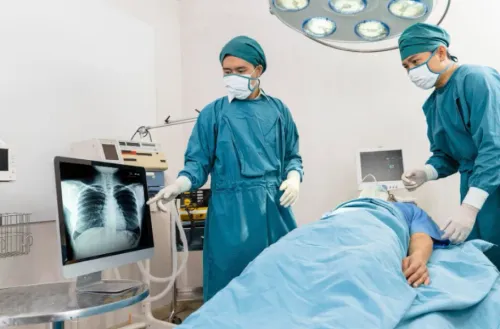
Pacemaker implantation is usually performed under controlled medical conditions. The procedure involves placing the device beneath the skin, commonly near the upper chest area, and connecting the leads to the heart.
The medical team carefully checks:
- Lead positioning
- Device functioning
- Electrical signals
- Patient response
The duration and approach may vary depending on the patient’s condition and the type of pacemaker required.
Life After Pacemaker Implantation
Many patients return to normal daily activities after recovery. However, regular follow-up is important to ensure the device continues functioning correctly.
Patients are generally advised to:
- Attend scheduled device checks
- Take medicines as prescribed
- Inform healthcare providers about the pacemaker before certain procedures
- Follow personalised activity recommendations
Modern pacemakers are designed for long-term support, but continued medical supervision remains important.
Choosing Specialist Cardiac Care
Heart rhythm disorders require careful diagnosis because symptoms can overlap with other cardiac or non-cardiac conditions. A detailed assessment helps ensure that treatment is directed toward the actual cause.
Dr Ashish Khanijo Cardiac Specialist provides evaluation and management guidance for patients with cardiac conditions in Pune. The approach focuses on understanding rhythm problems, associated risks, and suitable treatment pathways.
When Should Patients Seek Evaluation?
People experiencing symptoms such as:
- Repeated dizziness
- Unexplained fainting episodes
- Unusual fatigue
- Slow pulse readings
- Awareness of irregular heartbeat
should consider medical evaluation.
Early assessment can help identify whether monitoring, medication, lifestyle management, or a device-based treatment approach may be appropriate.
For patients and families in Pune, understanding pacemaker implantation and its role in managing heart rhythm conditions can support informed discussions with cardiac specialists.
Keywords