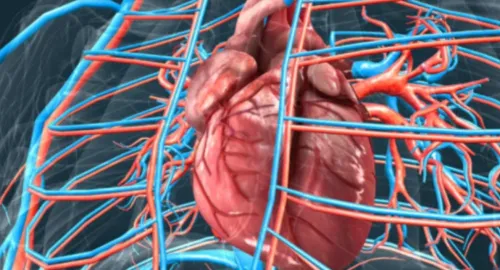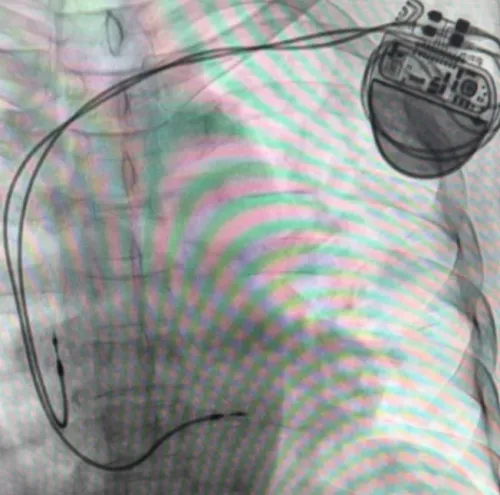

For people with advanced heart failure, standard medicines, devices, and conventional procedures may eventually become insufficient. In carefully selected patients, heart transplantation can become part of the discussion when severe heart disease continues to limit survival or daily function despite appropriate treatment.
Transplantation is not simply another heart operation. It requires extensive evaluation, careful patient selection, donor matching, major surgery, and lifelong follow-up.
When Is Heart Transplantation Considered?
Heart transplantation is generally reserved for advanced or end-stage heart disease when other appropriate treatments no longer provide adequate control.
Potential causes of advanced heart failure can include:
- Severe cardiomyopathy
- Advanced coronary artery disease
- Certain congenital heart conditions
- Progressive heart muscle disease
- Selected severe structural cardiac disorders
The presence of heart failure alone does not mean transplantation is required.
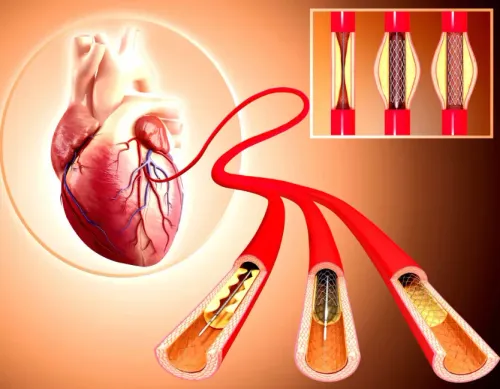
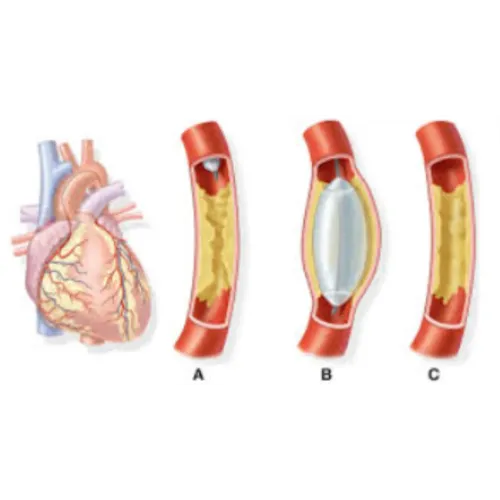
Many patients can be managed for long periods with medicines, lifestyle measures, cardiac devices, coronary intervention, valve procedures, or conventional heart surgery.
Why Transplant Evaluation Is Extensive
Before transplantation can be considered, doctors need to determine whether the expected benefit outweighs the risks.
Assessment may include:
- Echocardiography
- Coronary evaluation
- Right-heart catheterisation in selected cases
- Blood investigations
- Kidney and liver assessment
- Lung evaluation
- Infection screening
- Vascular assessment
- Functional evaluation
- Review of previous cardiac treatment
Other medical conditions are carefully considered because transplantation requires major surgery followed by long-term immunosuppressive therapy.
Referral Does Not Mean Immediate Transplantation
Patients sometimes assume that referral to a transplant team means they will immediately be placed on a waiting list.
In reality, evaluation determines whether transplantation is appropriate, whether additional treatment should be attempted first, and whether any medical issues need to be addressed before listing can be considered.
The process is deliberately thorough because donor hearts are limited and transplantation creates lifelong responsibilities.
What Happens After a Transplant?
After surgery, recipients require close monitoring and medication to reduce the risk of rejection.
Follow-up can involve regular blood tests, cardiac investigations, medication adjustments, infection prevention, rehabilitation, and monitoring for complications associated with immunosuppression.
Medication adherence is therefore essential.
Patients and families should understand that transplantation replaces a severely failing heart but does not eliminate the need for ongoing medical care.
Questions Families Should Ask
When advanced heart failure leads to transplant discussion, useful questions include:
- Have all appropriate conventional treatments been considered?
- What indicates that heart failure is now advanced?
- Is transplantation appropriate at this stage?
- What tests are required for evaluation?
- What factors could affect eligibility?
- How does the waiting process work?
- What treatment continues while waiting?
- What long-term medicines are required after transplantation?
- What follow-up commitment will be necessary?
These discussions can help families understand both the potential benefit and the considerable responsibilities involved.
Advanced Cardiac Assessment in Pune
Patients with complex heart disease in Pune may reach transplant consideration after years of cardiology care, previous procedures, or progressive deterioration in heart function.
A cardiac surgical assessment can help determine whether conventional surgery remains an option or whether advanced heart-failure and transplant evaluation should be considered.
Dr Ashish Khanijo Cardiac Specialist provides adult cardiac surgical evaluation in Pune for complex cardiovascular conditions requiring detailed treatment planning.
Patients should bring previous angiograms, echocardiography reports, cardiac MRI or CT studies where applicable, hospital discharge records, current medications, and details of earlier cardiac procedures.
Heart transplantation is a highly specialised treatment pathway rather than a routine solution for heart failure. Timely specialist evaluation is important because advanced cardiac disease can change progressively. Understanding the available conventional and advanced options allows patients and families to participate more meaningfully in decisions about the next stage of care.
Keywords