A chest condition requiring surgery may involve the lungs, pleura, mediastinum, chest wall, or other structures. Choosing a thoracic surgeon therefore requires more than searching for a general surgical provider. Patients need a specialist whose experience is relevant to the exact anatomical problem and proposed procedure.
Knowing what to evaluate can make the selection process more practical.
Understand What Thoracic Surgery Covers
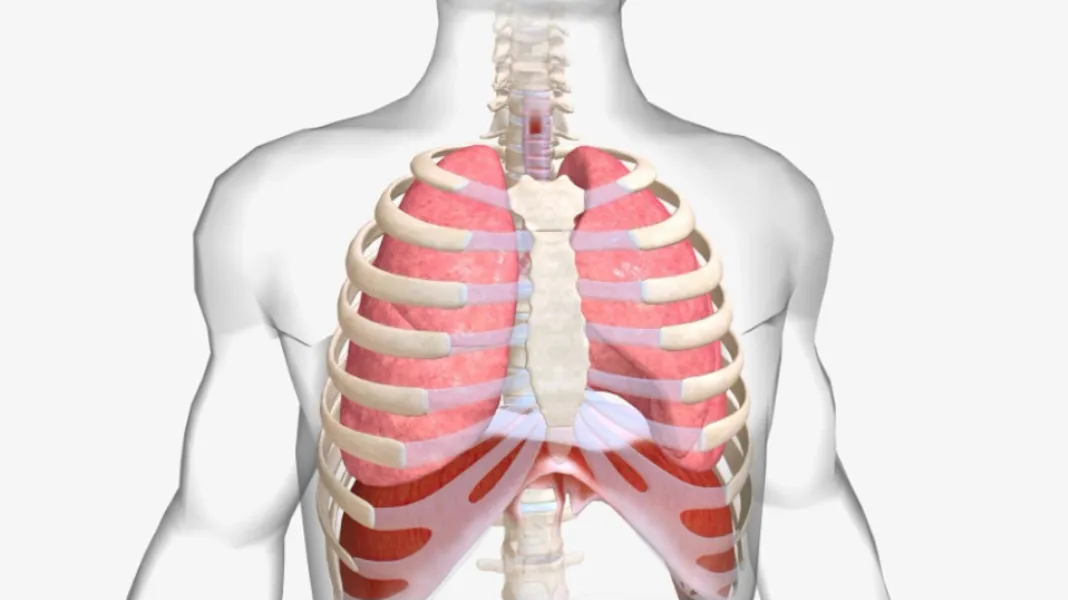
Thoracic surgery primarily addresses conditions inside the chest outside routine cardiac procedures, although cardiothoracic specialists may work across both areas.
Patients may be referred for assessment of:
- Lung lesions
- Suspicious pulmonary nodules
- Pleural conditions
- Mediastinal masses
- Chest wall abnormalities
- Persistent air leaks
- Certain infections
- Structural lung problems
- Other surgically treatable thoracic diseases
The first priority is establishing an accurate diagnosis.
Ask Whether Surgery Is Actually Necessary
Meeting a surgeon does not mean an operation has already been decided.
A responsible assessment should address whether the abnormality can be monitored, whether additional diagnostic testing is required, and whether non-surgical management remains appropriate.
For a lung nodule, for example, factors such as size, appearance, growth, smoking history, age, and previous imaging can influence the next step.
Evaluate the Proposed Surgical Approach
Thoracic operations can be performed using different approaches depending on the condition.
Patients should ask whether the proposed surgery is open or minimally invasive and why that approach has been selected.
Minimally invasive surgery can be valuable in suitable cases, but the smallest incision is not automatically the most appropriate objective. Safe access and adequate treatment of the underlying disease remain more important.
Ask How Much Lung May Be Removed
If lung tissue needs to be removed, understand the extent of the planned resection.
The procedure may range from a limited wedge resection to segmentectomy, lobectomy, or more extensive surgery.
The surgeon should explain why a particular amount of tissue needs to be removed and how existing lung function influences the decision.
Preoperative Fitness Matters
Chest surgery places demands on both respiratory and cardiovascular systems.
Evaluation may therefore include pulmonary function testing, cardiac assessment, blood tests, imaging, and anaesthetic review.
Patients with smoking history, chronic respiratory disease, previous cardiac conditions, or multiple medical illnesses may need additional preparation.
Review Recovery Expectations
Before agreeing to surgery, patients should understand:
- Expected hospital stay
- Pain-management approach
- Chest drain requirements
- Breathing exercises
- Mobility expectations
- Wound care
- Return to routine activity
- Follow-up appointments
- Possible need for additional treatment
Recovery varies depending on the operation and the patient's overall condition.
Selecting Thoracic Surgical Care in Pune
Patients in Pune may be referred after a CT scan identifies a chest abnormality or after respiratory symptoms fail to resolve with routine treatment.
Bring actual imaging where possible rather than relying only on the written report. Surgeons often need to review the images themselves to understand the location and surgical accessibility of a lesion.
Dr Ashish Khanijo Cardiac Specialist provides cardiothoracic surgical assessment in Pune for selected lung and chest conditions requiring specialist evaluation.
The most useful thoracic consultation should leave the patient with clarity about four things: what the abnormality is, why treatment is being recommended, what surgical approach is being considered, and what recovery is likely to involve.
Choosing a thoracic surgeon based on relevant expertise, clear explanations, appropriate diagnostic review, and access to suitable hospital support can help patients approach chest surgery with a more informed understanding of their treatment.
Keywords