

Being advised to consult a Vascular Surgeon often raises many questions. Patients may wonder what this specialist treats, how to evaluate experience, and what to expect during the consultation. Since vascular diseases can affect blood flow throughout the body, selecting the right specialist is an important step in receiving timely and appropriate care.
A vascular surgeon diagnoses and treats conditions affecting arteries and veins, excluding the blood vessels of the brain and heart. These specialists manage both surgical and non-surgical treatment plans, depending on the severity of the disease and the patient's overall health.
If you have been referred for vascular evaluation, here are ten practical factors to consider before choosing a specialist.
1. Understand the Surgeon's Area of Expertise
Not all surgeons manage the same types of vascular conditions. Some may focus more on arterial diseases, while others have broader experience treating aneurysms, peripheral artery disease, carotid artery disease, varicose veins, and complex vascular disorders.
Understanding whether the specialist routinely treats your condition helps ensure you receive appropriate care.
2. Review the Diagnosis Before the Consultation
Bring all relevant medical records to your appointment, including:
- Ultrasound reports
- CT angiography
- MRI scans
- Blood investigations
- Previous treatment records
- Current medication list
Having complete information enables the surgeon to provide a comprehensive evaluation.
3. Ask About Available Treatment Options
Many vascular conditions no longer require traditional open surgery.
Depending on the diagnosis, treatment may include:
- Lifestyle modification
- Medication
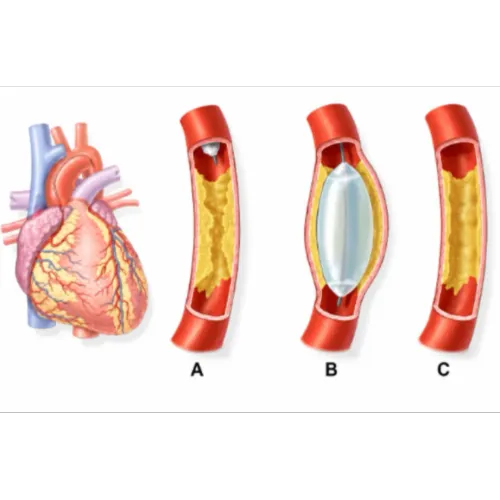
- Endovascular procedures
- Open vascular surgery
- Long-term monitoring
A good consultation explains why one option is recommended over another.
4. Consider the Hospital Infrastructure
Complex vascular procedures often require advanced imaging, intensive care facilities, and multidisciplinary support.
Patients in Pune have access to hospitals equipped with modern diagnostic technologies and specialised surgical teams capable of managing complex vascular diseases.
5. Discuss Risks and Benefits Clearly
Every procedure carries benefits as well as potential risks.
Patients should understand:
- Expected outcomes
- Recovery timeline
- Possible complications
- Follow-up requirements
- Lifestyle changes after treatment
A clear explanation helps patients make informed decisions.
6. Evaluate Communication Style
A specialist should encourage questions and explain medical information in understandable language.
Patients should leave the consultation with clarity rather than confusion.
7. Understand Recovery Expectations
Recovery depends on the specific procedure performed.
Ask about:
- Hospital stay
- Return to work
- Physical activity restrictions
- Medication requirements
- Follow-up visits
Planning ahead helps reduce unnecessary stress during recovery.
8. Consider Your Overall Health
Treatment decisions often depend on more than the vascular condition itself.
Factors such as:
- Diabetes
- High blood pressure
- Kidney disease
- Smoking history
- Age
- Previous surgeries
may influence the recommended treatment plan.
9. Don't Hesitate to Seek a Second Opinion
For major vascular procedures, obtaining another expert opinion is reasonable.
A second consultation may confirm the original recommendation or help clarify alternative treatment pathways.
10. Choose a Specialist Who Prioritises Individualised Care
Every patient has unique medical needs. Recommendations should be based on diagnostic findings, symptoms, and overall health rather than following a standard treatment pathway.
Personalised treatment planning often leads to better long-term disease management.
Questions to Ask During the Consultation
To make the most of your appointment, consider asking:
- What is causing my symptoms?
- Is surgery necessary?
- Are minimally invasive treatments available?
- What happens if treatment is delayed?
- How often will follow-up visits be required?
These questions encourage meaningful discussion and help patients understand their diagnosis.
Dr Ashish Khanijo Cardiac Specialist evaluates patients referred for vascular surgical consultation by carefully reviewing investigations, medical history, and current symptoms before recommending appropriate management. The emphasis is on evidence-based decision-making that aligns with each patient's specific clinical needs.
For patients across Pune and other parts of Maharashtra, timely vascular evaluation can help identify circulation problems before they become more serious. Choosing an experienced vascular specialist is not simply about finding someone who performs surgery—it is about partnering with a healthcare professional who can guide you through diagnosis, treatment, recovery, and long-term vascular health.