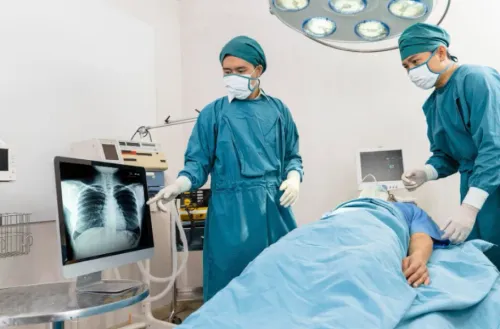
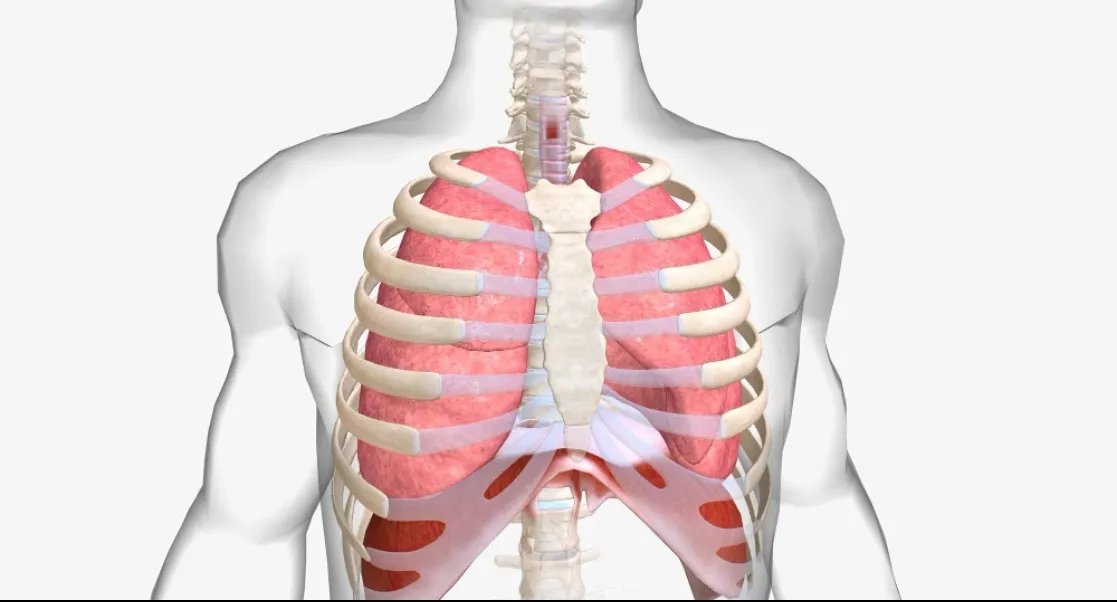
The thought of undergoing Thoracic (Chest) Surgery can feel intimidating, but not every chest condition requires extensive surgery. Advances in medical technology, improved diagnostic tools, and refined surgical techniques have made thoracic surgery more precise and patient-focused than ever before. Understanding when this type of surgery is recommended can help patients approach treatment with greater confidence.
Thoracic surgery focuses on conditions affecting the lungs, chest wall, esophagus, diaphragm, and other structures within the chest, excluding the heart. Patients are usually referred by pulmonologists, physicians, or oncologists after detailed investigations indicate that surgery may offer the best treatment option.
Several medical conditions may require thoracic surgery, including:
- Lung nodules or lung tumors
- Persistent collapsed lung (pneumothorax)
- Chronic chest infections requiring drainage
- Pleural diseases
- Chest wall tumors
- Rib abnormalities
- Esophageal disorders
- Trauma-related chest injuries
The need for surgery depends on the nature of the condition, its severity, and the patient's overall health. Many chest disorders can be managed with medication or minimally invasive procedures, while others benefit from surgical treatment to prevent complications or improve quality of life.
Common symptoms that should not be ignored include:
- Persistent chest pain
- Long-lasting cough
- Coughing up blood
- Difficulty breathing
- Frequent lung infections
- Unexplained weight loss
- Persistent fluid accumulation around the lungs
These symptoms do not necessarily indicate a condition requiring surgery, but they warrant proper medical evaluation.
Diagnosis usually begins with a clinical examination followed by investigations such as chest X-rays, CT scans, pulmonary function tests, bronchoscopy, or biopsy when needed. These tests help identify the exact cause of symptoms and determine the most suitable treatment approach.
Modern thoracic surgery often includes minimally invasive techniques such as video-assisted thoracoscopic surgery (VATS). Compared with traditional open procedures, these approaches may involve smaller incisions, reduced postoperative discomfort, and shorter hospital stays for appropriately selected patients. However, the choice of surgical technique depends entirely on the patient's diagnosis and clinical condition.
Preparing for thoracic surgery involves more than scheduling the operation. Patients are advised to:
- Stop smoking if applicable
- Maintain good nutrition
- Follow prescribed medications
- Complete recommended investigations
- Discuss existing medical conditions with the surgical team
- Understand postoperative rehabilitation requirements
Recovery varies according to the complexity of the surgery. Some patients resume routine activities within a few weeks, while major procedures may require a longer rehabilitation period. Deep breathing exercises, physiotherapy, and regular follow-up appointments are often important parts of recovery.
Families also play a valuable role during the treatment journey. Providing emotional support, helping with postoperative care, and encouraging adherence to medical advice can positively influence recovery.
Pune has become an important healthcare destination in Maharashtra for patients seeking advanced thoracic care. The city offers access to experienced specialists, advanced imaging facilities, intensive care support, and multidisciplinary teams that work together to manage complex chest conditions.
Dr Ashish Khanijo Cardiac Specialist evaluates patients who require surgical assessment for chest-related conditions after reviewing imaging studies, medical history, and overall health. Every recommendation is based on the individual's diagnosis, ensuring that surgery is advised only when clinically appropriate.
Early diagnosis often makes a significant difference in treatment outcomes. Persistent respiratory symptoms or abnormal imaging findings should never be ignored. Consulting the right specialist at the right time allows patients to explore all available treatment options, including non-surgical management where appropriate.
Thoracic surgery is not simply about performing an operation—it is about restoring function, relieving symptoms, and helping patients achieve better long-term health through carefully planned, evidence-based care.
Keywords