
When people hear the term Cardiothoracic Surgeons, they often associate it only with heart bypass surgery. In reality, this medical specialty covers a wide range of surgical treatments involving the heart, lungs, chest, and major blood vessels. Knowing when to consult a cardiothoracic surgeon can help patients receive timely care and improve treatment outcomes.
Many patients in Pune are referred to a cardiothoracic surgeon after diagnostic tests performed by a cardiologist or physician indicate a condition that may require surgical evaluation. Understanding the role of this specialist can make the treatment journey less overwhelming.
A cardiothoracic surgeon is trained to diagnose and surgically treat conditions affecting the heart, lungs, esophagus, chest wall, and blood vessels. These specialists work closely with cardiologists, pulmonologists, anesthesiasts, and critical care teams to provide comprehensive treatment plans.
Some of the most common conditions treated include:
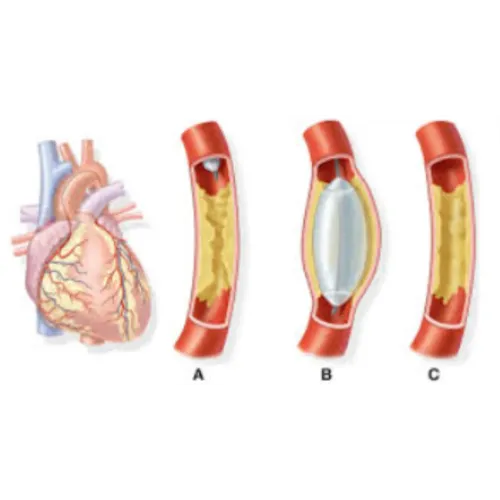
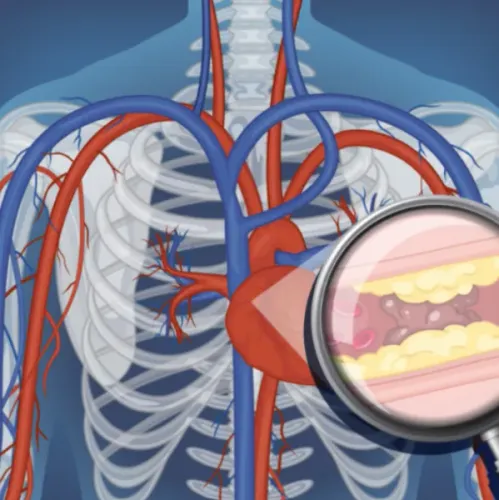
- Coronary artery disease
- Heart valve disorders
- Congenital heart defects in adults
- Aortic aneurysms
- Lung tumors
- Collapsed lungs
- Chest infections requiring surgery
- Disorders affecting the chest cavity
Not every heart condition requires surgery. Many patients continue with medication and lifestyle management under the guidance of their physician. Surgery is considered when diagnostic findings suggest that medical treatment alone may no longer provide adequate results.
Several warning signs may lead your doctor to recommend a surgical consultation:
- Persistent chest pain despite treatment
- Severe blockage in coronary arteries
- Shortness of breath during routine activities
- Recurrent episodes of heart failure
- Valve disease causing symptoms
- Lung conditions that require surgical intervention
- Large aneurysms detected during imaging
During the consultation, the surgeon reviews medical records, imaging studies, angiography reports, blood investigations, and the patient's overall health before discussing possible treatment options.
Modern cardiothoracic surgery has advanced considerably over the years. Depending on the diagnosis, patients may be candidates for conventional open surgery, minimally invasive techniques, or hybrid procedures. The most appropriate approach depends on the patient's condition, anatomy, and overall health rather than a one-size-fits-all solution.
Patients often worry that surgery automatically means a lengthy recovery. Recovery timelines vary based on the procedure performed, age, existing medical conditions, and postoperative rehabilitation. Many individuals gradually return to routine activities under medical supervision while following rehabilitation programmes designed to strengthen cardiovascular health.
Families also play an important role throughout the treatment process. Understanding the diagnosis, asking questions, and participating in discussions with the healthcare team can help patients feel more confident about their decisions.
Preparing for a surgical consultation may involve gathering:
- Previous ECG reports
- Echocardiography results
- Angiography reports
- CT or MRI scans
- Blood test reports
- Current medication list
- Medical history
- Details of previous surgeries
Having these documents available enables the surgeon to make a more informed assessment.
Patients in Maharashtra often seek advanced cardiac and thoracic care in Pune because the city offers access to experienced specialists, advanced diagnostic facilities, and multidisciplinary hospitals capable of managing complex cases.
Dr Ashish Khanijo Cardiac Specialist is among the professionals providing surgical evaluation for patients requiring cardiothoracic care in Pune. The focus remains on understanding each patient's condition, discussing suitable treatment options, and helping individuals make informed decisions based on clinical findings.
Early diagnosis remains one of the most important factors in successful treatment. If symptoms such as persistent chest discomfort, unexplained breathlessness, reduced exercise tolerance, or abnormal cardiac investigations are present, seeking timely medical advice can help determine whether surgery is necessary or whether other treatment options are more appropriate.
Understanding what cardiothoracic surgeons do empowers patients and families to approach treatment with greater confidence. Rather than viewing surgery with fear, it is helpful to see it as one of several evidence-based treatment options designed to improve quality of life when recommended for the right medical reasons.
Keywords