


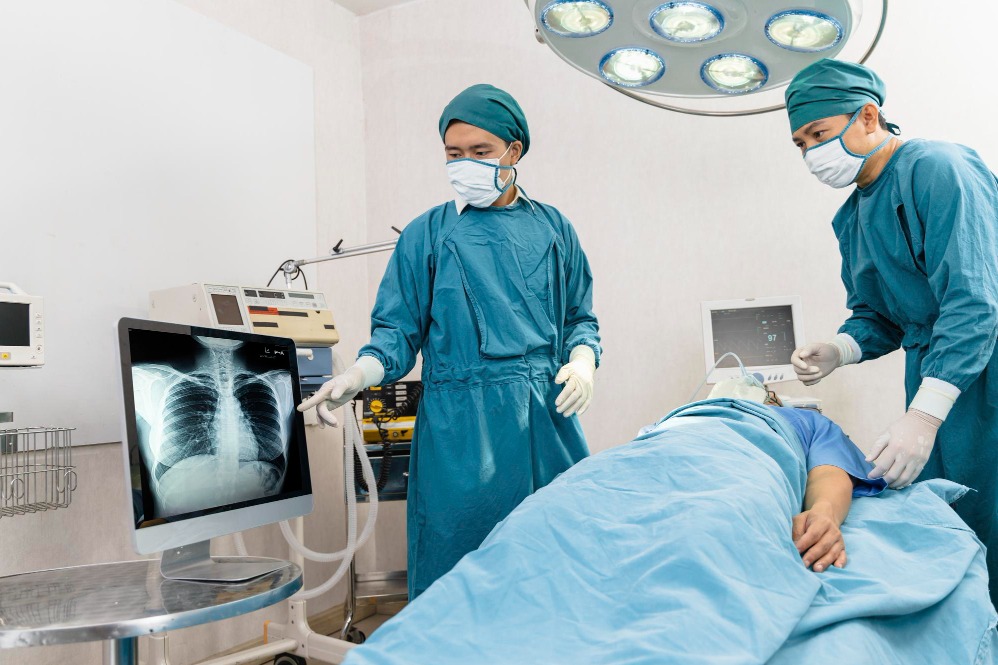
The lungs are essential for breathing and oxygen exchange, but certain diseases and structural problems cannot always be managed with medicines alone. In selected cases, operations for the lungs may be considered when a condition needs tissue removal, repair, drainage, biopsy, or another surgical intervention.
For patients in Pune, Maharashtra, understanding why lung surgery is recommended can make discussions with a thoracic or cardiothoracic surgical team easier and more informed.
Why Lung Surgery May Be Recommended
Surgery is not automatically required whenever an abnormality is found in the lung. Doctors first consider the diagnosis, severity of symptoms, imaging findings, lung function, overall health, and whether less invasive treatment is appropriate.
An operation may be evaluated for conditions such as:
- Suspicious or confirmed lung tumours
- Localised lung disease
- Persistent infection-related damage
- Certain congenital abnormalities
- Pleural disorders
- Chest injuries
- Structural problems affecting breathing
- Conditions requiring a surgical biopsy
The exact reason for surgery determines the type and extent of the procedure.
Common Types of Lung Operations
Different procedures remove or treat different amounts of lung tissue.
A wedge resection removes a small, targeted portion of the lung. A segmentectomy removes an anatomical segment while preserving the remaining lung.
A lobectomy involves removal of one lobe and may be recommended for selected localised conditions.
More extensive disease may occasionally require removal of a larger portion of the lung. Such decisions require careful assessment because preserving adequate respiratory function is an important part of surgical planning.
Why Tests Before Surgery Matter
Before an operation, the medical team needs to understand both the disease and the patient's ability to tolerate surgery.
Assessment may include:
- Chest X-ray
- CT scan
- Pulmonary function testing
- Blood investigations
- ECG
- Echocardiography when indicated
- Bronchoscopy in selected cases
- Additional imaging or biopsy
People with diabetes, hypertension, kidney disease, coronary artery disease, or previous heart problems may require additional evaluation before undergoing major chest surgery.
Open Surgery Compared With Minimally Invasive Approaches
Traditional thoracic surgery uses a larger chest incision to access the affected area. Minimally invasive techniques use smaller incisions and specialised instruments in suitable patients.
The appropriate approach depends on the location and complexity of the disease, previous surgery, anatomical considerations, the patient's general condition, and the procedure required.
Smaller incisions do not automatically mean that a minimally invasive operation is suitable for every case. Surgical safety and complete treatment of the underlying problem remain the priorities.
What Recovery Usually Involves
Recovery differs considerably between procedures. After surgery, patients may require monitoring of breathing, oxygen levels, blood pressure, pain, and chest drainage.
Breathing exercises and early mobilisation are commonly encouraged when medically appropriate. They can support lung expansion and reduce complications associated with prolonged inactivity.
Patients should also understand the expected hospital stay, wound care requirements, activity restrictions, follow-up schedule, and symptoms that require medical attention.
Questions Worth Asking Before Lung Surgery
A patient can have a more productive consultation by asking:
- What exactly has been found in my lung or chest?
- Why is surgery being considered?
- Are non-surgical options appropriate?
- How much lung tissue may need to be removed?
- What tests are required before surgery?
- What are the important risks in my individual case?
- How could surgery affect my breathing capacity?
- What should I expect during recovery?
Dr Ashish Khanijo Cardiac Specialist provides cardiothoracic surgical evaluation in Pune for patients who may require assessment of complex heart, lung, chest, or vascular conditions.
The decision to undergo a lung operation should ultimately be based on the diagnosis, expected benefit, individual surgical risk, and overall treatment plan. A detailed specialist assessment helps patients understand whether surgery is necessary and what approach may be appropriate for their condition.