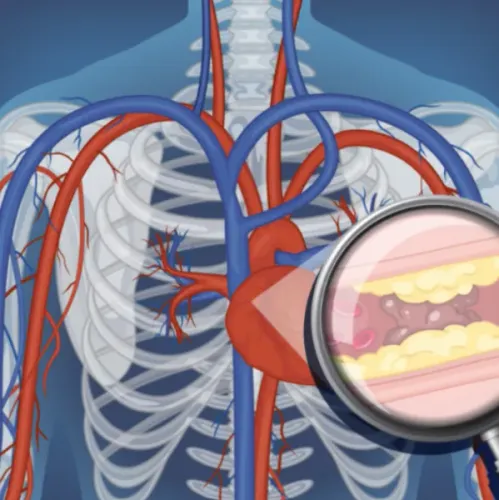
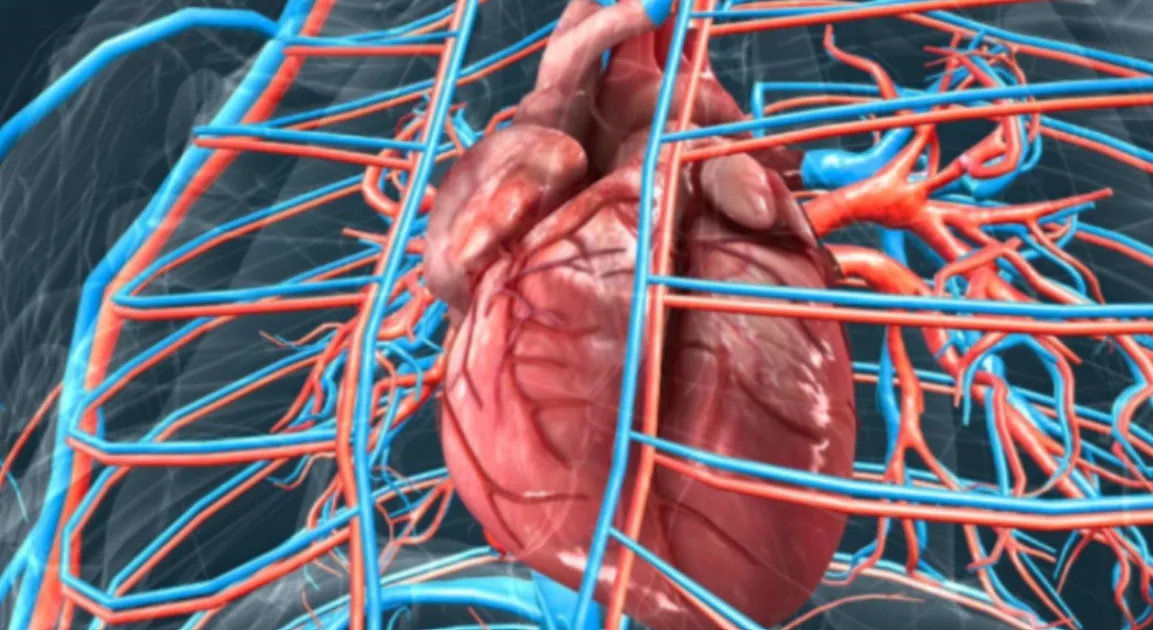
Traditional vascular surgery often requires direct access to the affected artery through an incision. Modern endovascular procedures offer another approach for selected conditions by treating the problem from within the blood vessel using catheters, guidewires, balloons, stents, or specialised grafts.
These techniques have expanded treatment possibilities for many vascular disorders, although they are not suitable for every patient.
What Does Endovascular Mean?
Endovascular treatment is performed through the vascular system rather than through a large open surgical exposure.
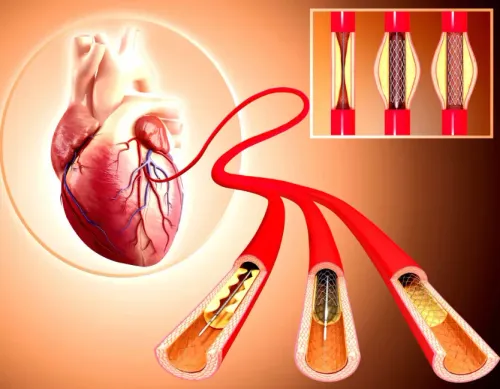
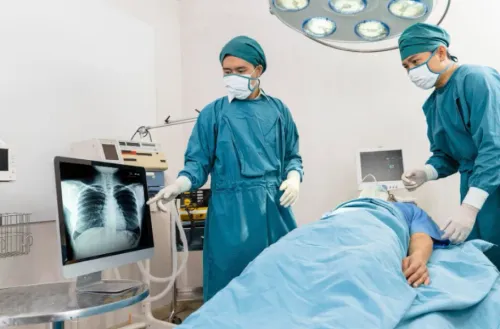
A catheter is usually introduced through an artery, often in the groin or another suitable access point. Imaging guides the instruments through the blood vessels to the treatment area.
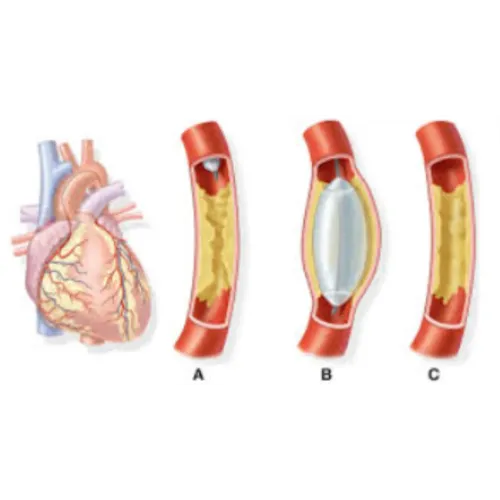
Depending on the condition, the procedure may involve angioplasty, stent placement, stent grafting, or another catheter-based intervention.
Conditions That May Be Treated
Endovascular techniques can be considered for selected cases involving:
- Peripheral arterial narrowing
- Certain aortic aneurysms
- Some vascular obstructions
- Selected arterial injuries
- Specific aortic diseases
- Other anatomically suitable vascular conditions
Whether the technique is appropriate depends heavily on vascular anatomy.
Endovascular Treatment Compared With Open Surgery
The most obvious difference is access.
Open vascular surgery provides direct surgical exposure and may involve repair, replacement, or bypass of a diseased vessel.
Endovascular treatment reaches the problem through the blood vessel itself.
Potential advantages in appropriately selected cases can include smaller access sites and a different recovery profile. However, endovascular treatment can require ongoing imaging surveillance, and some anatomical patterns are better treated with open surgery.
Anatomy Determines Suitability
Aneurysm size alone does not determine whether a stent graft can be used.
Doctors need to assess factors such as:
- Location of the diseased segment
- Vessel diameter
- Length of suitable landing zones
- Branch vessels
- Vessel tortuosity
- Calcification
- Previous vascular procedures
CT angiography commonly provides important information for this planning.
Why Long-Term Follow-Up Matters
Endovascular treatment does not end when the patient leaves the hospital.
Some procedures require periodic imaging to confirm that the device remains appropriately positioned and that the treated area remains stable.
For aneurysm repair, surveillance may help identify issues that require observation or additional treatment.
Patients should therefore ask about the long-term follow-up commitment before choosing a procedure.
Choosing Between Approaches
The decision between open surgery and an endovascular procedure should consider more than recovery time.
Age, general health, kidney function, previous operations, anatomy, expected durability, surgical risk, and the nature of the disease all matter.
For younger patients with certain anatomical patterns, durability may carry particular importance. For patients with substantial surgical risk, an endovascular approach may sometimes provide an alternative when anatomy permits.
A vascular surgeon can help explain these trade-offs using the patient's actual imaging.
In Pune, increasing access to advanced vascular imaging has made detailed planning possible for patients with complex arterial conditions.
Dr Ashish Khanijo Cardiac Specialist provides cardiothoracic and vascular surgical assessment for patients whose conditions may require open, endovascular, or multidisciplinary treatment planning.
The most appropriate vascular procedure is the one matched to the disease, anatomy, health status, and long-term needs of the individual patient. Understanding those factors helps patients evaluate treatment options beyond the simple question of which procedure appears less invasive.
Keywords