A normal heartbeat depends on electrical signals travelling through the heart in an organised pattern. When this electrical system becomes too slow or fails to conduct signals correctly, pacemakers may be considered to help maintain an appropriate heart rhythm.
For patients and families, understanding why a pacemaker is recommended can make the treatment process easier to navigate.
What Does a Pacemaker Do?
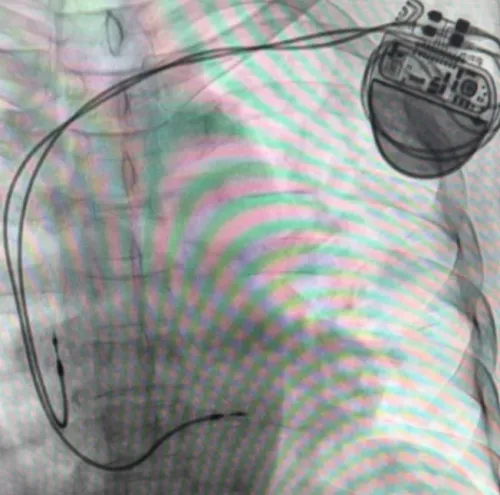
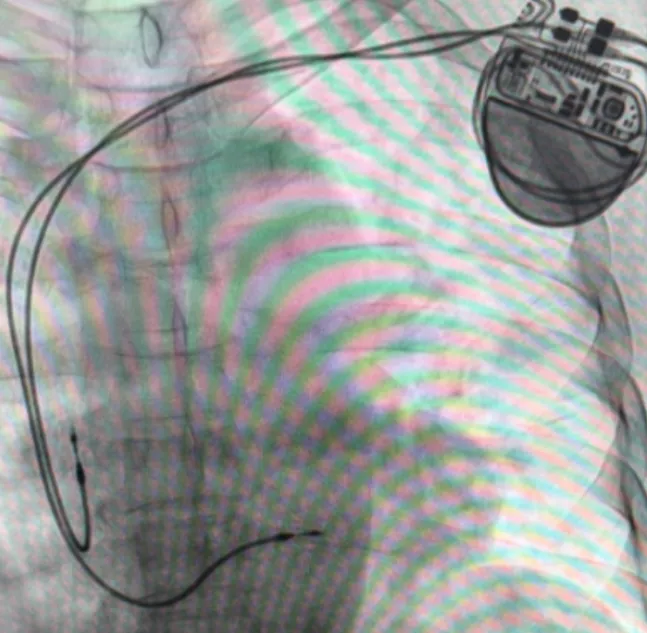
A pacemaker is a small electronic device designed to monitor heart rhythm and deliver electrical impulses when needed.
It generally consists of a pulse generator and one or more leads, although certain newer systems use different designs.
The device does not continuously force the heart to beat at one fixed rate. Modern systems can monitor the heart's own rhythm and provide pacing support according to programmed settings.
Why Might Someone Need One?
Pacemakers can be considered for specific rhythm or electrical conduction problems.
Examples may include:
- Symptomatic bradycardia
- Certain forms of heart block
- Sinus node dysfunction
- Selected rhythm disturbances
- Electrical conduction problems after some cardiac procedures
The presence of a low pulse reading alone does not necessarily mean a pacemaker is required.
Doctors evaluate symptoms, ECG findings, rhythm monitoring, medications, and underlying cardiac disease before recommending implantation.
Symptoms That Can Lead to Evaluation
An excessively slow or unreliable rhythm can reduce the amount of blood reaching the brain and other organs.
Patients may experience:
- Dizziness
- Unexplained fainting
- Severe tiredness
- Reduced exercise capacity
- Shortness of breath
- Weakness
- Episodes of near-fainting
Because these symptoms can have many causes, an ECG and appropriate cardiac evaluation are important.
How Is a Rhythm Problem Diagnosed?
A standard ECG records only a short period of heart activity. Intermittent rhythm problems may require longer monitoring.
Doctors may therefore use Holter monitoring, extended rhythm monitoring, echocardiography, exercise testing, or other investigations depending on the symptoms.
Medication review is also important because certain drugs can slow heart rate.
What Happens After Implantation?
Pacemaker care continues after the procedure.
Follow-up appointments allow clinicians to check battery status, lead function, stored rhythm information, and programming.
Patients are also given guidance regarding wound care, physical activity during the initial recovery period, medical procedures that require precautions, and interactions with certain electrical or magnetic equipment.
Most ordinary household electronics can be used normally when appropriate safety guidance is followed.
When Cardiac Surgery May Be Part of Broader Care
Some patients requiring pacing support also have structural heart disease, previous heart operations, valve disease, or other cardiovascular conditions.
In these situations, rhythm management may form one part of a larger cardiac treatment plan.
Patients in Pune who have been advised to consider a pacemaker should understand the exact rhythm diagnosis rather than focusing only on the device.
Useful questions include what electrical problem has been identified, whether symptoms are related to that problem, what alternatives exist, what type of pacing is being proposed, and how follow-up will be managed.
Dr Ashish Khanijo Cardiac Specialist provides evaluation of complex cardiac conditions in Pune where surgical and multidisciplinary cardiovascular care may be required.
A pacemaker can be an important treatment for appropriately selected rhythm disorders, but the decision should always follow careful diagnosis. Understanding the underlying electrical problem helps patients participate more confidently in treatment decisions and long-term cardiac care.
Keywords