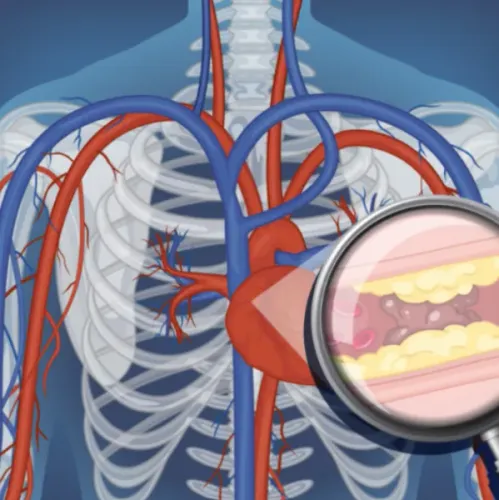
Problems involving arteries and veins can range from mild circulation concerns to conditions requiring urgent treatment. A vascular surgeon evaluates diseases affecting blood vessels outside the heart and can determine whether medical management, surveillance, endovascular treatment, or open surgery is appropriate.
Recognising when specialist assessment is needed can prevent potentially important vascular symptoms from being overlooked.
What Does a Vascular Surgeon Treat?
Vascular surgery covers a broad range of circulatory conditions.
These can include:
- Peripheral arterial disease
- Aortic aneurysms
- Carotid artery disease
- Selected venous disorders
- Arterial blockages
- Vascular injuries
- Certain aortic conditions
- Limb circulation problems
Not every patient seeing a vascular surgeon will need an operation.
Modern vascular practice includes surveillance, medical risk management, catheter-based procedures, and conventional surgery.
Symptoms That May Require Assessment
Circulation problems can appear in different ways.
Symptoms worth discussing with a doctor may include:
- Leg pain consistently triggered by walking
- Persistent coldness in one limb
- Non-healing foot wounds
- Colour changes in toes
- Rest pain in a leg or foot
- Unexplained limb swelling
- Abnormal arterial pulsation
- Vascular abnormalities identified on imaging
Sudden severe limb pain accompanied by coldness, weakness, numbness, or marked colour change can represent an emergency and requires immediate medical attention.
Why Diabetes Deserves Particular Attention
People with diabetes can develop both nerve problems and vascular disease.
Because reduced sensation may make wounds less noticeable, poor circulation can sometimes become apparent only after a foot ulcer fails to heal.
A vascular assessment can determine whether inadequate arterial blood flow is contributing to delayed healing.
How Circulation Is Evaluated
The initial assessment includes medical history and examination of the affected area.
Depending on the suspected problem, investigations may include:
- Doppler studies
- Ankle-brachial pressure assessment
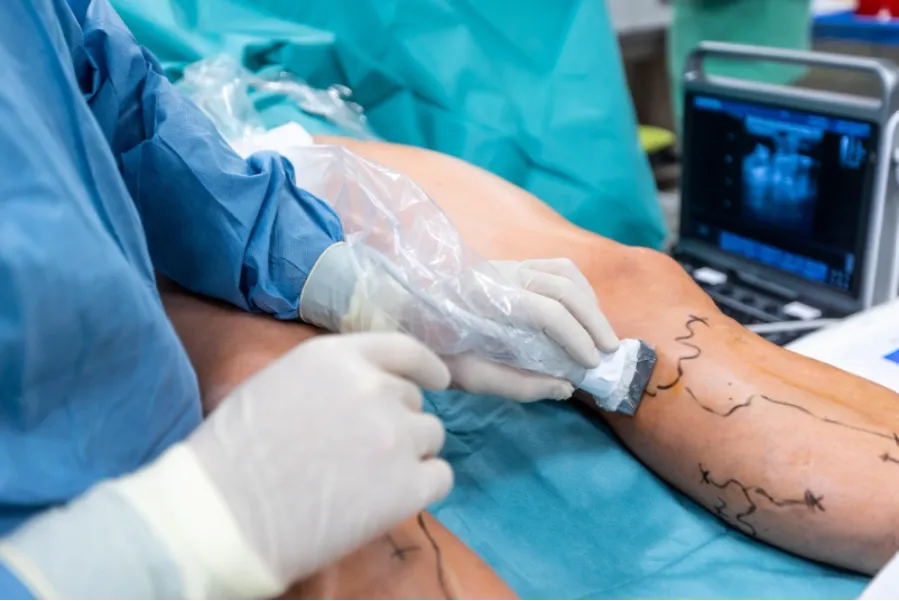
- Duplex ultrasound
- CT angiography
- MR angiography
- Conventional angiography
The correct test depends on symptoms, examination findings, kidney function, and the vascular territory involved.
Open Surgery Compared With Endovascular Care
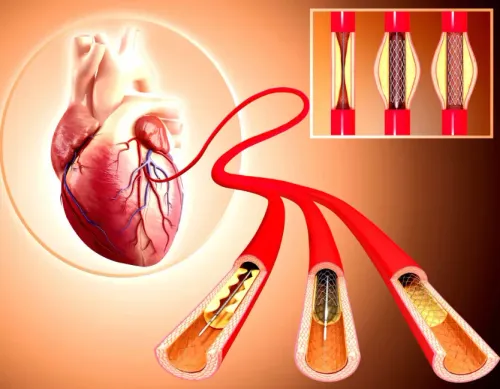
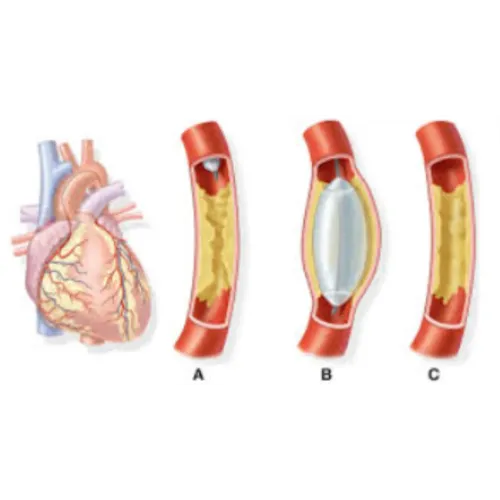
Some arterial blockages can be treated using angioplasty or stenting. Others may require bypass surgery or another open operation.
Similarly, selected aneurysms can be treated with stent grafts, while other anatomical patterns may be better suited to open repair.
The vascular surgeon evaluates both the immediate technical feasibility and the expected durability of treatment.
What to Ask During a Consultation
Patients can ask:
- Which blood vessel is affected?
- How severe is the circulation problem?
- Is treatment required immediately?
- Can the condition be monitored?
- Is an endovascular approach suitable?
- Would open surgery provide a better option?
- What happens if the disease progresses?
- What long-term follow-up will be required?
These questions are particularly useful when imaging has already identified arterial disease.
For people in Pune, Maharashtra, specialist vascular evaluation can also be important when cardiovascular conditions overlap. Aortic disease, for example, may involve both cardiothoracic and vascular expertise depending on its location.
Dr Ashish Khanijo Cardiac Specialist provides vascular and cardiothoracic surgical assessment for selected complex cardiovascular conditions.
The right time to seek vascular care depends on the condition, but persistent circulation symptoms, non-healing wounds, significant imaging abnormalities, and diagnosed aneurysms should not simply be ignored. Early assessment can clarify the severity of disease and whether monitoring, risk-factor management, endovascular intervention, or surgery deserves consideration.
Keywords