
Hearing that you may need Adult Cardiac Surgery can bring many questions and concerns. Patients often wonder whether surgery is truly necessary, what the procedure involves, and how long recovery will take. While every case is unique, understanding the purpose of cardiac surgery can help patients make informed decisions alongside their healthcare team.
Adult cardiac surgery refers to surgical procedures performed to treat diseases affecting the heart in adults. These operations are recommended only after thorough evaluation, often when medications or less invasive treatments may no longer provide adequate benefit.
Some of the most common reasons for adult cardiac surgery include:
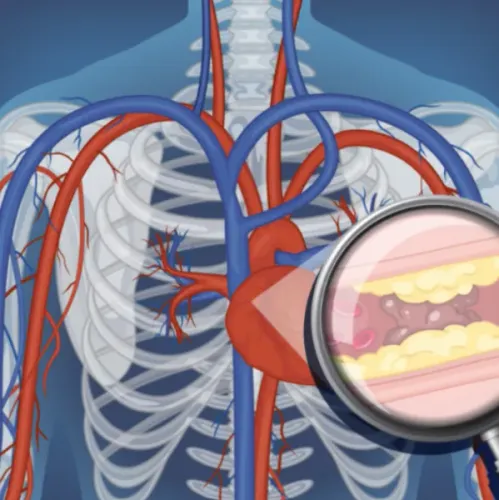
- Coronary artery disease
- Heart valve disorders
- Aortic aneurysms
- Congenital heart defects diagnosed in adulthood
- Certain complications following heart attacks
- Structural abnormalities affecting heart function
Before recommending surgery, doctors typically perform several investigations, including:
- Electrocardiogram (ECG)
- Echocardiography
- Coronary angiography
- CT scans when required
- Blood investigations
- Assessment of lung and kidney function
These evaluations help determine whether surgery is the most suitable treatment and allow the healthcare team to plan the safest approach.
Patients often ask how to know when surgery should be considered. Although the decision depends on individual circumstances, common situations include:
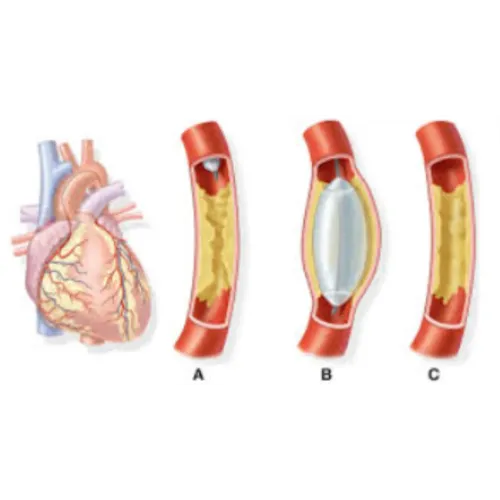
- Severe narrowing of coronary arteries
- Symptomatic valve disease
- Progressive heart failure despite treatment
- Large aneurysms posing future risk
- Structural defects affecting heart performance
A recommendation for surgery is generally based on balancing potential benefits against possible risks.
Preparing for surgery involves several important steps. Patients may be advised to improve blood sugar control, manage blood pressure, stop smoking, maintain a balanced diet, and remain physically active within medically recommended limits. Good preparation supports smoother recovery after the procedure.
Many people are surprised to learn that recovery begins immediately after surgery. Early mobilisation, breathing exercises, physiotherapy, and nutritional support all contribute to rehabilitation. Recovery times differ depending on the type of operation, age, and overall health, but gradual improvement is expected under medical supervision.
It is equally important for patients and their families to understand what happens after discharge. Follow-up appointments help monitor healing, assess heart function, review medications, and guide lifestyle modifications. Long-term success often depends on adopting heart-healthy habits such as:
- Eating a balanced diet
- Exercising regularly as advised
- Taking prescribed medications consistently
- Managing cholesterol, diabetes, and blood pressure
- Avoiding tobacco use
- Attending routine follow-up visits
Seeking a second opinion before major surgery is a reasonable step for many patients. Another specialist can review diagnostic findings, explain available treatment options, and answer questions that may help patients feel more confident about their decision.
Pune has established itself as a centre for advanced cardiac care, attracting patients from across Maharashtra due to its experienced specialists, modern hospitals, and comprehensive diagnostic facilities. Access to multidisciplinary care enables patients to receive coordinated treatment throughout every stage of their healthcare journey.
Dr Ashish Khanijo Cardiac Specialist provides surgical consultation for adults with complex cardiac conditions, carefully evaluating clinical findings before discussing personalised treatment plans. The emphasis is on evidence-based recommendations that align with the patient's diagnosis, overall health, and treatment goals.
Making an informed decision about adult cardiac surgery begins with understanding the condition, asking the right questions, and working closely with qualified healthcare professionals. With timely diagnosis, careful planning, and appropriate postoperative care, many patients are able to return to their daily lives while managing their heart health more effectively over the long term.
Keywords