When symptoms or test results suggest that blood flow to the heart may be reduced, doctors may recommend angiography to examine the coronary arteries in greater detail. The test can provide important information about narrowing or blockages and help guide further treatment.
For people undergoing cardiac evaluation in Pune, understanding what coronary angiography shows can reduce uncertainty before the procedure.
What Is Coronary Angiography?
Coronary angiography is an investigation used to visualise the arteries supplying blood to the heart muscle.
A thin catheter is introduced through a blood vessel, commonly from the wrist or groin. Contrast material is then used while X-ray imaging captures the flow through the coronary arteries.
The resulting images allow the cardiac team to identify areas where an artery may have become narrowed or blocked.
Why Might a Doctor Recommend It?
Angiography may be considered when a patient has symptoms or findings suggesting significant coronary artery disease.
Examples include:
- Persistent or recurrent chest discomfort
- Suspected angina
- Abnormal stress-test findings
- Certain acute coronary syndromes
- Previous heart attack
- Unexplained symptoms with significant cardiac risk
- Assessment before selected cardiac procedures
It is not necessarily the first investigation for every patient with chest discomfort.
What Can the Test Show?
Angiography can help determine:
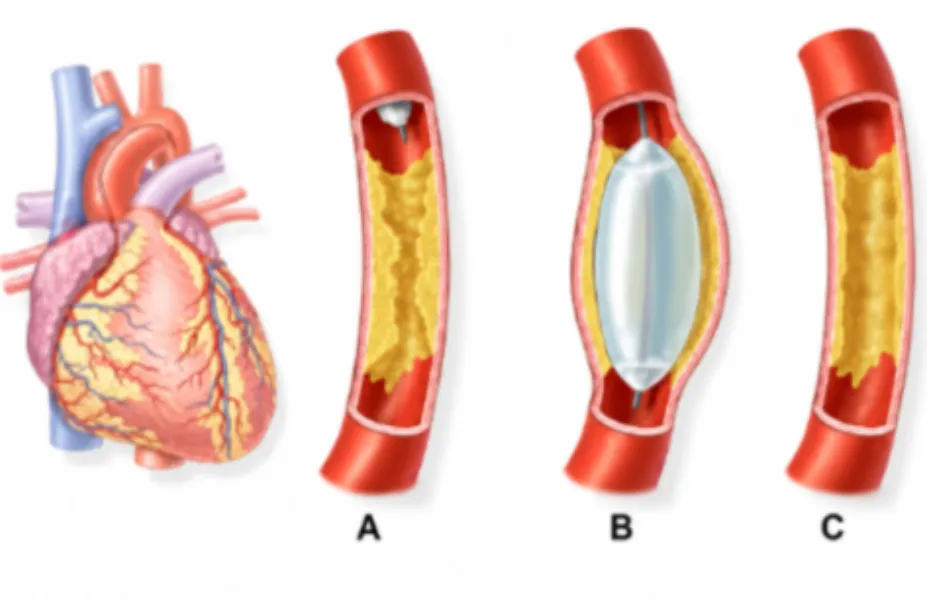
- Which coronary artery is affected
- Where narrowing is located
- How many vessels are involved
- How severe a blockage appears
- Whether blood flow is significantly restricted
- Whether anatomy may be suitable for further intervention
This information can influence whether the next step involves medicines, angioplasty, coronary artery bypass surgery, or continued monitoring.
Preparing for the Procedure
Patients should provide their medical team with an accurate list of medicines and existing medical conditions.
It is particularly important to discuss blood-thinning medicines, diabetes treatment, kidney problems, previous reactions to contrast material, and known allergies.
Blood tests and other investigations may be performed beforehand depending on the patient's health and clinical circumstances.
Patients should follow the hospital's specific instructions regarding food, fluids, and medications rather than changing treatment independently.
Angiography Does Not Always Mean Angioplasty
A common misconception is that discovering a blockage automatically means a stent must be inserted.
Angiography is primarily diagnostic. Once the coronary anatomy is understood, the team evaluates the most appropriate treatment.
Some patients can be treated effectively with medication and risk-factor management. Others may benefit from angioplasty. Patients with certain patterns of complex or extensive coronary artery disease may be assessed for bypass surgery.
Understanding the Results
Patients should ask for a clear explanation of their angiogram.
Useful questions include:
- How many arteries are affected?
- How significant is the narrowing?
- Where is the blockage located?
- Is medication appropriate?
- Would angioplasty be beneficial?
- Should bypass surgery be considered?
- What happens if treatment is delayed?
Understanding these points is more useful than focusing solely on a percentage written in a report.
Cardiac Decision-Making After Angiography
The best treatment depends on more than the angiogram itself. Symptoms, heart function, diabetes, kidney health, age, previous procedures, and the overall complexity of coronary disease can influence the recommendation.
For complex coronary disease, a multidisciplinary discussion between cardiology and cardiac surgery teams may be useful.
Dr Ashish Khanijo Cardiac Specialist provides cardiac surgical assessment in Pune for patients whose investigations indicate conditions that may require surgical management.
Angiography is therefore best viewed as a detailed map of coronary circulation. Its real value lies not simply in finding a blockage but in helping clinicians determine which treatment strategy is most appropriate for the individual patient.
Keywords