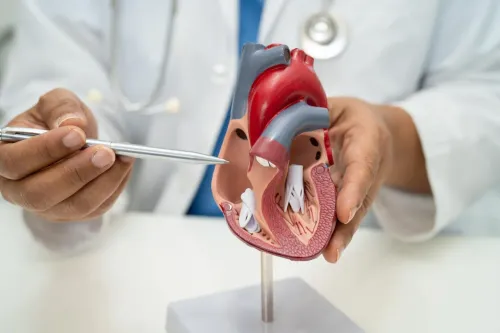
Coronary angiography is usually a diagnostic catheter procedure, not open-heart surgery, and the term “angiography surgery” can create confusion about the test, treatment, specialist and bill you need. By the end, you will know which type of angiography to book, how to prepare, when symptoms require emergency care, and when cardiothoracic surgeons should join the treatment decision.
Key takeaways
- Coronary angiography diagnoses artery narrowing; bypass surgery treats selected blockages.
- Seek emergency care for chest pain, breathlessness, sweating or fainting—not routine booking.
- Ask about contrast allergy, kidney tests, blood thinners and fasting before angiography.
- Compare Pune quotes by checking catheter, contrast, hospital, doctor and follow-up charges.
What coronary angiography shows—and how it differs from surgery
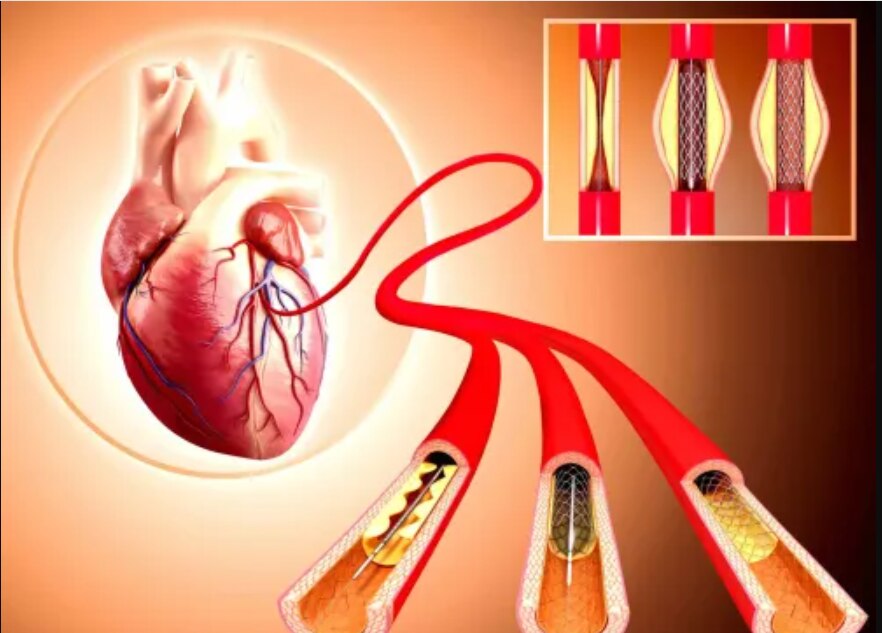
Coronary angiography is a diagnostic catheter procedure, not usually surgery. A cardiologist guides a thin catheter through the radial artery in the wrist or femoral artery in the groin, injects iodinated contrast, and uses X-ray fluoroscopy to display the coronary arteries.
The images show where an artery is narrowed or blocked, which vessel is affected, and how severe the narrowing appears.
| Procedure | What it does | Main result |
|---|---|---|
| Coronary angiography | Maps coronary arteries with contrast and X-rays | Diagnosis and treatment planning |
| Angioplasty or PCI | Opens a suitable narrowing with a balloon and often a stent | Restores blood flow through that segment |
| Bypass surgery or CABG | Creates new routes around blocked coronary arteries using grafts | Surgical revascularisation |
Angiography does not automatically include angioplasty. Before booking, ask whether the quotation covers diagnostic angiography only or angiography with possible same-session PCI; the preparation, recovery and charges differ.
A search for angiography surgery in Pune can therefore create confusion: “angiography surgery” is usually an inaccurate label for a catheter-based test. Angiography surgery in Pune cardiothoracic surgeons becomes relevant when the images suggest CABG or another chest operation.
A cardiologist, interventional cardiologist and cardiothoracic surgeon may then review the findings together, especially for left-main or extensive multivessel disease, diabetes with complex blockages, reduced heart function or unsuccessful PCI.
When to book angiography and when to seek emergency care
Book invasive coronary angiography when symptoms, examination or earlier tests point strongly to a blocked coronary artery, or when a non-invasive result cannot explain ongoing symptoms. Unlike screening tests, catheter angiography shows the artery directly and allows angioplasty or stent treatment during the same sitting when appropriate.
| Test | What it shows | When it is more suitable |
|---|---|---|
| ECG | Electrical changes, including possible heart attack | First test for acute chest symptoms; it cannot map artery narrowing |
| Stress test | Heart response to exertion | Stable symptoms with an intermediate likelihood of coronary disease |
| Echocardiogram | Heart muscle, valves and pumping function | Suspected heart-failure or valve problems; it does not show coronary blockages directly |
| CT coronary angiography | Non-invasive images of coronary arteries | Stable patients needing anatomical assessment when heart rate, kidney function and calcium burden permit |
| Invasive angiography | Direct catheter images of coronary arteries | Strong suspicion, high-risk findings, worsening symptoms or a likely need for immediate treatment |
Do not wait for routine angiography booking in Pune if chest pressure continues or returns with severe breathlessness, cold sweating, fainting, or pain spreading to the arm or jaw. Seek emergency care immediately; the ECG, symptoms and clinical condition determine whether emergency angiography and PCI are needed.
For an angiography surgery in Pune enquiry, confirm whether the appointment is diagnostic coronary angiography, CT coronary angiography, peripheral angiography, or angiography with possible intervention. These options differ in preparation, contrast exposure, recovery and cost.
How to prepare for the procedure and what happens at the hospital
Before you confirm angiography booking in Pune, verify that the appointment is for diagnostic coronary angiography, CT coronary angiography, peripheral angiography, or angiography with a possible intervention. These involve different preparation, contrast exposure and recovery requirements.
1. Disclose kidney disease, diabetes, pregnancy or possible pregnancy, previous contrast reactions, bleeding problems, allergies, and every medicine you take. Tell the team about aspirin, clopidogrel, warfarin and direct oral anticoagulants; do not stop any of them without specific instructions.
Ask when to take diabetes medicines and whether you must fast, commonly for four to six hours.
2. Bring your referral, identification, insurance documents, previous ECGs, echocardiograms, stress-test or CT reports, recent blood-test results, and a written medicine list with doses. Arrange an adult escort if sedation is planned, and wear clothing that allows easy access to your wrist or groin.
3. Expect consent, blood-pressure and heart-rhythm monitoring, and a cannula. The doctor numbs the wrist or groin, passes a catheter through an artery, and injects contrast while X-ray images record the coronary arteries. You may feel brief warmth or flushing; tell staff immediately about chest pain, breathlessness or itching.
4. Afterward, staff remove the catheter and apply pressure or a closure device, then observe you for bleeding, rhythm changes and contrast reactions. Keep the puncture site clean and dry, avoid strenuous lifting as instructed, drink fluids if permitted, and seek urgent help for heavy bleeding, worsening swelling, severe pain, breathlessness or weakness.
Recovery, complications and the real angiography cost in Pune
Diagnostic coronary angiography usually takes 15 to 30 minutes, but plan for several hours at the hospital. Radial-wrist access often allows earlier movement; femoral-groin access may require longer observation. Do not drive home, and follow the discharge instructions about lifting and wound care.
Discuss these complications before consenting: bleeding or a haematoma, arterial injury, infection, abnormal heart rhythm, an iodinated-contrast reaction, kidney injury, heart attack, stroke and, rarely, death. Your risk rises with emergency treatment, older age, severe coronary disease, kidney disease, shock or an additional procedure.
Ask the team to review your latest creatinine and eGFR and explain hydration or other kidney precautions.
The angiography cost in Pune is not one reliable number. Ask for a written self-pay quotation that separates diagnostic angiography from angiography followed by angioplasty or stent placement, because finding a blockage does not automatically mean treatment belongs in the first price.
Ask the quotation to identify:
- Cardiologist and anaesthesia fees, if applicable
- Catheterisation-laboratory charges
- Contrast, catheter, guidewire and sheath costs
- Blood tests, ECG, medicines and observation or room charges
- The price of angioplasty, stent, extra devices and longer admission if required
- Charges for treating complications or transferring you to another facility
If you have ongoing chest pressure, severe breathlessness, fainting, cold sweating or pain spreading to your arm or jaw, do not wait for a routine booking. Seek emergency care.
When cardiothoracic surgeons become part of the treatment decision
Once angiography shows important disease, the next decision is not automatically a stent. A cardiologist, interventional cardiologist and cardiothoracic surgeon may review the images together and compare catheter treatment with an operation.
The choice depends on the anatomy and your overall condition. CABG may receive serious consideration for left-main disease, complex multivessel narrowing, diabetes with extensive coronary disease, reduced heart function or a failed PCI. Valve disease, an enlarged or dissected aorta, or a problem involving another chest structure requires a different surgical assessment.
Ask these questions before consenting to treatment:
- Which arteries are narrowed, and how severe are the lesions?
- Is angioplasty with a stent technically suitable, or would CABG offer a more durable route?
- Does diabetes, kidney disease, previous stroke or reduced ejection fraction change the recommendation?
- Does the angiogram suggest valve surgery, aortic surgery or another chest operation?
- Who will make the final recommendation: one doctor, a heart team or a cardiologist–surgeon conference?
- What happens if the planned stent cannot be placed?
The phrase angiography surgery in Pune cardiothoracic surgeons often confuses a diagnostic catheter procedure with open-heart surgery. Cardiothoracic surgeons in Pune become central when the images point beyond a catheter solution. For a local second-opinion discussion, Dr Ashish Khanijo Cardiac Specialist. 08048032879 can help you identify which findings require surgical review rather than another procedure.
Frequently asked questions
Is coronary angiography a surgery?
Usually no. It is a diagnostic catheter procedure in which a cardiologist injects iodinated contrast and uses X-ray fluoroscopy to view the coronary arteries. Angioplasty, stenting and bypass surgery are separate treatments.
When should I book angiography in Pune, and when is it an emergency?
Book it through a cardiologist when symptoms, stress testing or other investigations indicate a need to inspect the coronary arteries. Seek emergency care for chest pain, breathlessness, cold sweating, fainting or sudden worsening symptoms instead of waiting for an appointment.
How should I prepare for coronary angiography?
Ask the hospital about fasting, kidney-function blood tests, contrast allergy history and medicines such as anticoagulants or diabetes drugs. Follow its instructions about which medicines to take or pause, and arrange transport home if sedation is planned.
What affects angiography cost in Pune?
The total quote depends on the hospital, catheter route, cardiologist and anaesthesia or sedation charges, contrast, disposables, laboratory tests, room use, medicines and follow-up. Request an itemised estimate and ask whether angioplasty or stent costs are excluded.
When does a cardiothoracic surgeon join the treatment decision?
A cardiothoracic surgeon becomes involved when angiography shows disease that could require coronary artery bypass grafting or another surgical procedure. The decision also considers symptoms, artery anatomy, heart function, diabetes, kidney health and overall surgical risk.
Keywords