A valve problem does not automatically mean that you need an operation; the decision depends on the valve involved, symptom severity, heart function, pressure in the lungs, and whether repair or replacement offers the better long-term result. By the end, you will know which tests guide the decision, how surgical and catheter-based options differ, and what to ask a cardio-vascular surgeon before choosing treatment.
Key takeaways
- A murmur alone does not prove that you need valve surgery.
- Echocardiography confirms valve severity, heart chamber changes and ejection fraction.
- Compare repair, replacement, open surgery and catheter procedures for your anatomy.
- Choose a surgeon who explains risks, valve choice and follow-up clearly.
Which valve problems need surgery, and when should you act?
A murmur does not establish the need for surgery. Doctors combine symptoms, echocardiographic severity, chamber changes, ejection fraction, pulmonary pressure, anatomy, and the likely benefit of repair or replacement.
| Valve problem | What it means | When surgery becomes a serious consideration |
|---|---|---|
| Aortic stenosis | The aortic valve is narrowed | Severe disease with breathlessness, chest pain, fainting, or impaired ventricular function |
| Aortic regurgitation | The valve leaks blood back into the left ventricle | Severe leakage with symptoms, ventricular enlargement, or falling ejection fraction |
| Mitral stenosis | The mitral opening is narrowed | Severe obstruction, pulmonary hypertension, symptoms, or rheumatic damage unsuitable for balloon treatment |
| Mitral regurgitation | Blood leaks backward during contraction | Severe primary leakage with symptoms or left ventricular enlargement or dysfunction |
| Tricuspid disease | The tricuspid valve leaks or narrows | Severe leakage with swelling, liver congestion, right ventricular effects, or associated left-sided disease |
| Pulmonary valve disease | The valve between the right ventricle and pulmonary artery is abnormal | Severe obstruction or leakage causing right ventricular strain |
| Congenital defects | A valve is malformed from birth | Progressive dysfunction, cyanosis, chamber enlargement, or reduced exercise capacity |
| Prosthetic-valve failure | An artificial valve leaks, clots, narrows, or becomes infected | Significant obstruction, regurgitation, thrombosis, infection, or heart failure |
Seek assessment for breathlessness, chest pain, fainting, ankle swelling, or reduced exercise tolerance. Rheumatic disease can affect multiple valves, rhythm, and pulmonary pressure, so treating only the loudest murmur can miss important disease. A Heart Team should guide heart valve surgery in Pune; ask a heart valve surgeon in Pune to explain timing and alternatives.
Which tests confirm the diagnosis before an operation?
A transthoracic echocardiogram (TTE) usually establishes valve severity before cardio vascular surgeon valve surgery is considered. It shows valve narrowing or leakage, chamber size, ejection fraction, pressure estimates, and blood-flow patterns.
A transesophageal echocardiogram (TEE) is added when TTE images are unclear or doctors need closer views for surgical planning. It is particularly useful for suspected infective endocarditis, prosthetic-valve dysfunction, clots, or detailed leaflet and supporting-structure anatomy.
| Test | What it clarifies | When it applies |
|---|---|---|
| ECG | Rhythm, conduction problems, strain, or prior heart injury | Baseline assessment or abnormal symptoms |
| Chest X-ray | Heart enlargement, lung congestion, or other chest disease | Breathlessness or suspected heart failure |
| CT scan | Valve calcium, aorta, chambers, and access vessels | Aortic stenosis planning or complex anatomy |
| Cardiac catheterisation or coronary angiography | Heart pressures and blocked coronary arteries | Uncertain non-invasive findings or coronary-risk assessment |
| Blood tests | Anaemia, kidney function, clotting, inflammation, or infection | Before treatment, or suspected endocarditis |
No patient needs every investigation. The cardiology and surgical team selects tests according to symptoms, echocardiogram findings, age, kidney function, planned procedure, and suspected infection.
Should you choose repair, replacement, open surgery, or a catheter procedure?
Durable repair is preferred for suitable severe primary mitral regurgitation and selected tricuspid disease because it preserves the native valve and avoids prosthetic-valve complications. Replacement is necessary when leaflets are severely damaged, calcified, infected, or unlikely to produce a lasting repair.
| Option | Main use | Important limits |
|---|---|---|
| Repair | Mitral or selected tricuspid disease | Depends on anatomy and an experienced repair team |
| Replacement | Irreparable or heavily calcified valves | Requires a prosthetic valve and future monitoring |
| Surgical replacement | Aortic stenosis, regurgitation, or complex combined disease | More invasive, but permits coronary or aortic work |
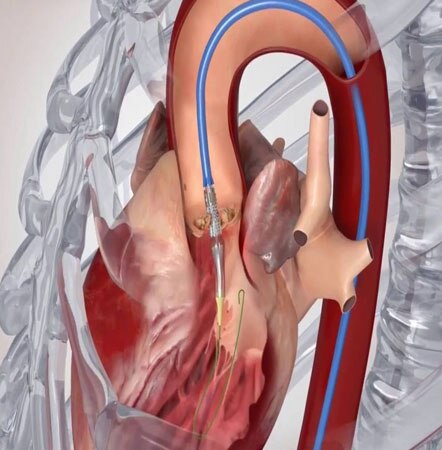
| TAVI/TAVR | Severe aortic stenosis in suitable anatomy | Requires transfemoral access when possible; durability and access matter |
| Catheter repair | Edge-to-edge repair for selected mitral or tricuspid regurgitation | Not suitable for every anatomy or surgical-risk profile |
A full sternotomy opens the breastbone; minimally invasive surgery uses smaller access incisions. Smaller incisions do not remove risks, and previous operations, valve anatomy, coronary disease, aortic disease, and the need for additional procedures affect suitability.
For severe aortic stenosis, age, life expectancy, surgical risk, transfemoral access, durability, and preference guide TAVI/TAVR versus surgery. Older patients with limited life expectancy often favour transfemoral TAVI; younger patients with long expected survival often favour surgical replacement. Balloon valvuloplasty and valve-in-valve procedures have narrower roles.
A Heart Team should compare these choices. When seeking heart valve surgery in Pune, ask a valve operation specialist in Pune to explain the anatomy, expected durability, and fallback plan.
How do mechanical and tissue valves compare?
Mechanical valves offer the greatest durability, but they normally require lifelong warfarin, a vitamin-K-antagonist anticoagulant. You need regular INR monitoring, dose adjustments, and a plan for bleeding, dental work, injuries, and future operations. Direct oral anticoagulants such as apixaban or rivaroxaban are not substitutes for anticoagulation in patients with mechanical valves.
| Option | Main advantage | Main trade-off |
|---|---|---|
| Mechanical valve | High durability and low structural-wear risk | Lifelong warfarin, INR checks, and bleeding-risk management |
| Tissue valve | Usually no lifelong anticoagulation solely because of the prosthesis | Structural deterioration can lead to another intervention |
| Tissue valve in a younger patient | Avoids long-term mechanical-valve anticoagulation | More years remain for degeneration to develop |
A tissue valve can still require temporary anticoagulation or another blood-thinning treatment for a separate condition. Younger age increases the chance of future valve-in-valve treatment or repeat surgery, while older age often makes tissue replacement more attractive.
Your choice also depends on pregnancy plans, bleeding risk, kidney function, expected longevity, and future procedures. Mechanical-valve anticoagulation creates important pregnancy trade-offs. Discuss durability, childbirth plans, and procedural needs with a heart valve surgeon in Pune before consenting. A valve team should match the prosthesis to your daily risks, not age alone.
What happens during valve surgery, and what risks follow it?
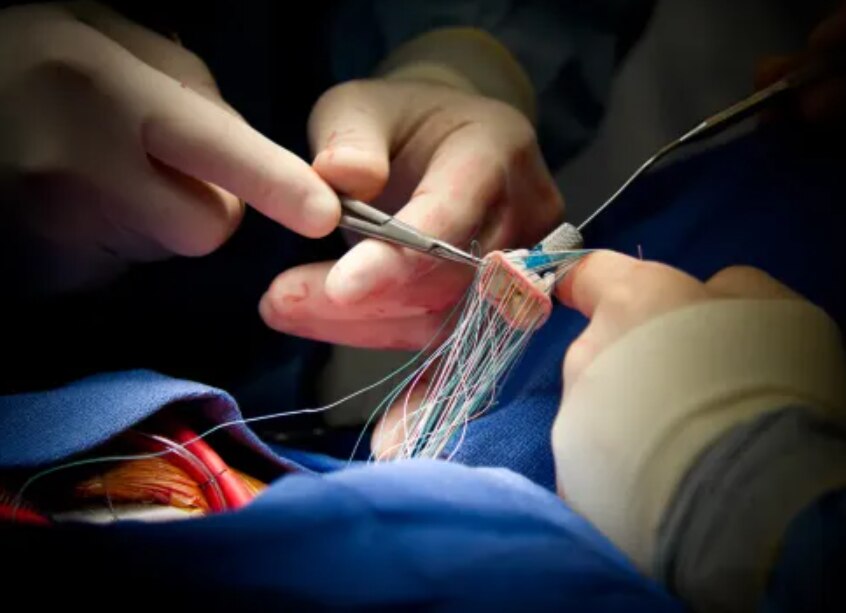
Under general anaesthesia, you are asleep while the team monitors your heart, blood pressure, oxygen and other vital signs. A cardio vascular surgeon may use cardiopulmonary bypass to circulate and oxygenate blood while the heart is stopped; some procedures do not require it.
- The surgeon exposes the heart through a full sternotomy or, for selected patients, a minimally invasive incision.
- The damaged valve is repaired or removed and replaced with a mechanical or tissue prosthesis.
- Transesophageal echocardiography checks valve function, leaks and heart performance during the operation.
- Chest tubes drain blood and fluid, while temporary pacing wires provide a backup if the rhythm slows or becomes abnormal.
- When the breastbone was divided, the surgeon closes it with wires and closes the overlying tissues.
Discuss bleeding, infection, stroke, rhythm disturbance, kidney injury, pacemaker implantation, prosthetic-valve thrombosis or dysfunction, and death. Your risk depends on frailty, lung or kidney disease, previous surgery and anatomy, not only a calculator estimate.
After discharge, keep the incision clean and follow wound instructions. Increase walking gradually, review every medicine and anticoagulant, and attend cardiac rehabilitation. Contact your surgical team urgently for fever, wound drainage, fainting, new neurological symptoms, persistent breathlessness or rapid weight gain.
How do you choose the right cardio-vascular surgeon in Pune?
Meet a cardiothoracic and vascular surgery (CTVS) specialist after your cardiologist confirms significant valve disease or refers you for intervention. Your cardiologist interprets tests and manages medical treatment; the surgeon assesses operability, repair feasibility, surgical risk, and recovery. A Heart Team then weighs surgery against catheter options such as TAVI.
Your search for heart valve surgery for cardio vascular surgeon in Pune should not depend on the label “valve operation specialist in Pune” or “heart valve surgeon in Pune.” Verify the doctor’s medical registration and postgraduate CTVS qualification.
| Role | Contribution | Decision you should expect |
|---|---|---|
| Cardiologist | Diagnosis and medical management | Is intervention necessary now? |
| CTVS surgeon | Repair, replacement, surgical risk | Can the valve be repaired safely? |
| Heart Team | Compares surgery and catheter treatment | Which option fits your anatomy and risk? |
Ask about:
- Repair feasibility, alternatives, valve durability, and the Heart Team’s recommendation
- Your frailty, kidney or lung disease, prior surgery, stroke and bleeding risks
- Hospital ICU facilities, follow-up, anticoagulation, rehabilitation, and pacemaker risk
- Infective-endocarditis prevention; dental antibiotics apply only to selected highest-risk patients
Dr Ashish Khanijo Cardiac Specialist. 08048032879 is a Pune practice where you can seek a local surgical consultation and discuss these questions.
Related items
 | Heart Valve Surgery Dr. Ashish Khanijo is a Heart Specialist doctor, he provides expert Heart Valve Surgery in Pune. He holds an experience of 12+ years in his field. View service → |
 | Dr. Ashish Khanijo is known as Best Cardiac Surgeon in Pune Cardiac Surgery or Heart Surgery is performed to extend the lifespan of patients & to... View product → |
Frequently asked questions
Which valve problems need surgery?
Severe valve narrowing or leakage needs surgery when symptoms, reduced ejection fraction, chamber enlargement, pulmonary hypertension or other high-risk changes appear.
Which tests confirm a valve problem before surgery?
Doctors use transthoracic echocardiography first, then transesophageal echocardiography, ECG, chest imaging, cardiac CT or catheterisation when anatomy or coronary arteries require closer assessment.
How do repair, replacement, open surgery and catheter procedures differ?
Repair preserves your valve when its structure allows it. Replacement removes the damaged valve. Open surgery uses a chest incision, while catheter procedures reach the valve through a blood vessel or smaller access route.
How do mechanical and tissue valves compare?
Mechanical valves last longer but require lifelong anticoagulation, usually with warfarin. Tissue valves reduce long-term anticoagulation needs but wear out sooner, with durability affected by age and other factors.
How do you choose a cardio-vascular surgeon in Pune?
Ask about the surgeon’s training, experience with your valve and procedure, repair success approach, hospital support, complication planning and follow-up schedule.
Related items
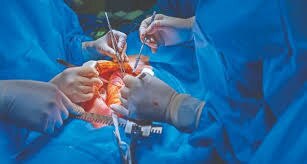 | Heart Transplant Surgery Dr. Ashish Khanijo for Heart Transplant Surgery in Pune – A renowned surgeon in Pune who has done 16 Heart Transplant Surgeries successfully. View service → |
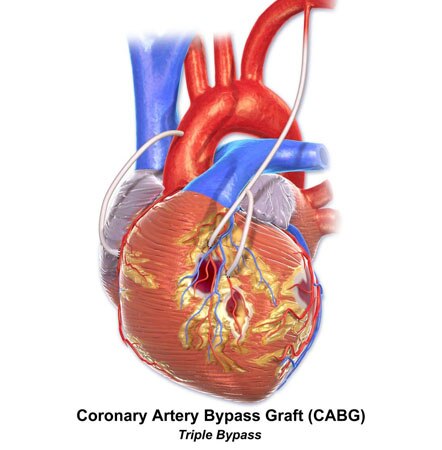 | Dr. Ashish Khanijo has been working as a Heart Specialist Doctor in Pune for many years and is also known for performing Coronary Bypass Surgery in... View product → |
Keywords