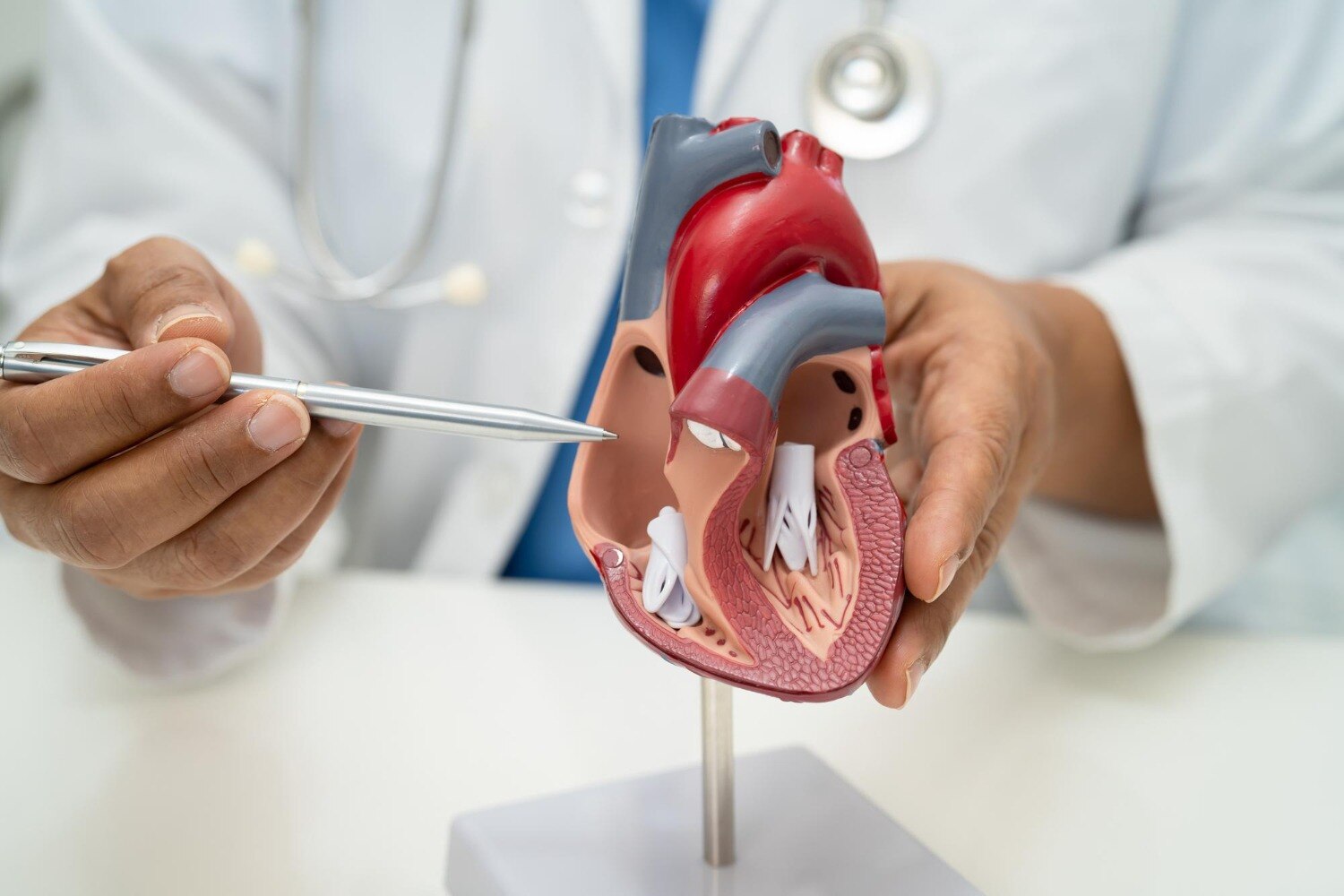
Bypass surgery and pacemaker treatment solve different heart problems: one improves blood flow through diseased coronary arteries, while the other corrects an unsafe or ineffective heartbeat. By matching symptoms and test results to the diagnosis, you can understand which treatment—or combination of treatments—deserves discussion with your cardiac team.
Key takeaways
- CABG restores blood flow around blocked coronary arteries.
- Pacemakers treat slow or unreliable heart rhythms.
- ECG, echocardiography and coronary angiography guide treatment decisions.
- Some patients need both revascularisation and pacing at different stages.
Bypass surgery and pacemakers treat different heart problems
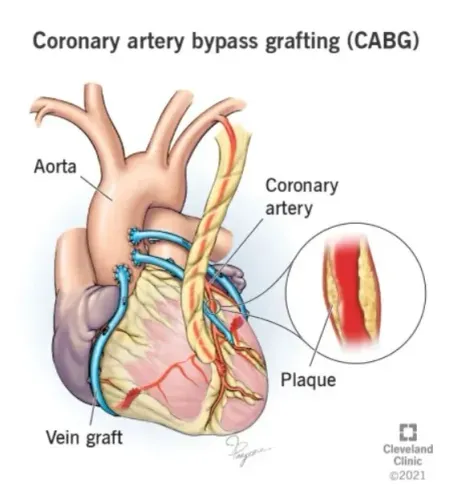
Bypass surgery and a pacemaker solve different failures. Coronary artery bypass grafting (CABG) reroutes blood around obstructed coronary arteries; it does not correct isolated electrical conduction failure. A pacemaker sends electrical impulses when the heart beats too slowly or signals fail; it does not open a blocked artery or stop plaque progression.
These bypass surgery versus pacemaker decisions require a confirmed diagnosis, not a package price.
| Option | Clues that raise suspicion | Tests that establish the cause |
|---|---|---|
| CABG | Exertional chest pressure, breathlessness, or reduced exercise tolerance, especially from coronary narrowing | CT coronary angiography or invasive angiography shows obstructed arteries; complex disease may lead to CABG |
| Pacemaker | Fainting, a slow pulse, marked fatigue, pauses, irregular rhythm, or symptoms from heart block | ECG, ambulatory rhythm monitoring, or electrophysiology assessment identifies bradycardia, high-grade atrioventricular block, or complete heart block |
Seek emergency assessment for persistent or severe chest pressure, breathlessness at rest, collapse, new neurological symptoms, or prolonged fainting. A heart attack, dangerous arrhythmia, or another time-critical condition can cause these signs, so do not compare routine heart treatment options while waiting at home.
Some people have both coronary disease and a rhythm disorder and may need both treatments, with timing decided by the clinical findings.
When doctors consider coronary bypass surgery
CABG becomes more suitable when coronary angiography shows disease that medication or angioplasty with a stent cannot treat reliably. The strongest findings include significant left-main coronary artery disease, severe three-vessel disease, long or heavily calcified blockages, several narrowings in small branches, or anatomy where placing stents would leave a high risk of re-narrowing.
| Finding or factor | Why CABG may be favoured | What doctors compare it with |
|---|---|---|
| Left-main disease | Protects blood flow to a large portion of the heart muscle through grafted routes | Stenting in selected, less complex anatomy |
| Three-vessel disease | Treats multiple territories during one operation | Medication or several stents |
| Diabetes with multivessel disease | CABG may provide more durable revascularisation for suitable patients | PCI with stents |
| Diffuse, calcified or branching blockages | A stent may not fully open or cover the diseased segment | Complex angioplasty |
| Reduced left-ventricular function | Restoring blood flow can be considered when viable heart muscle remains | Medication or PCI after imaging |
| High surgical or kidney risk | May shift the balance away from an operation | Medication or catheter treatment |
Doctors also weigh age, frailty, kidney function, lung disease, previous procedures, bleeding risk, ventricular function and your preference. Breathlessness, fatigue or falling exercise tolerance can represent ischaemia even without chest pain, so symptoms must match stress testing, imaging and angiography.
The choice among heart treatment options is individual; coronary bypass surgery in Pune is not selected from the artery report alone.
When a pacemaker is the appropriate treatment
A pacemaker fits when a slow or blocked electrical signal causes symptoms or threatens circulation. Temporary pacing is used for unstable bradycardia during a heart attack, drug toxicity, severe electrolyte disturbance or after cardiac surgery, usually while the cause is corrected or a permanent device is arranged.
Permanent pacing is appropriate when the problem persists or carries a high risk of collapse:
- Symptomatic sinus node dysfunction causing fainting, dizziness or marked exercise intolerance
- Mobitz type II second-degree atrioventricular block
- High-grade or complete heart block, especially with a slow escape rhythm
- Selected conduction disorders confirmed by ECG, ambulatory monitoring or electrophysiology testing
| Option | When it applies | What it does |
|---|---|---|
| Temporary pacing | Unstable slow rhythm or reversible cause | Supports the heartbeat while treatment takes effect |
| Permanent pacemaker | Persistent symptomatic bradycardia or serious heart block | Delivers impulses over the long term |
| No pacemaker | Asymptomatic bradycardia, reversible drug or electrolyte cause, or vasovagal fainting | Treats the underlying problem instead |
A pacemaker is not the answer for exertional chest pressure from blocked coronary arteries, because it cannot restore blood flow or replace bypass surgery. It also does not treat ventricular tachycardia, which may require an implantable cardioverter-defibrillator.
In bypass surgery versus pacemaker decisions, ECG and rhythm monitoring must establish conduction disease before pacemaker treatment in Pune is considered. Persistent chest pressure, collapse or breathlessness at rest requires emergency assessment.
The tests that determine the treatment path in Pune
An ECG can separate an electrical problem from an injury pattern, but it cannot show every blocked artery. ST-segment changes, pathological Q waves or T-wave abnormalities raise concern for coronary disease; a slow rate, prolonged PR interval, dropped beats or complete heart block points toward conduction disease.
- Blood tests: high-sensitivity troponin checks for active heart-muscle injury; a lipid profile, HbA1c, glucose, kidney function and blood count help measure vascular risk and procedural safety.
- Coronary tests: CT coronary angiography can show plaque and narrowing; invasive coronary angiography defines the exact vessels, left-main disease, multivessel disease and anatomy suitable for a stent or bypass.
- Heart imaging: echocardiography measures ejection fraction, valve disease and wall-motion abnormalities. Stress echocardiography, stress MRI or nuclear perfusion imaging can show whether exertion reduces blood flow.
- Rhythm tests: a 12-lead ECG may catch bradycardia or heart block; a 24–48-hour Holter monitor, patch monitor or event recorder can capture intermittent pauses, fast rhythms or fainting-related episodes. An electrophysiology study assesses selected complex conduction disorders.
| Finding | Likely direction | Possible heart treatment options |
|---|---|---|
| Focal or multivessel coronary narrowing | Reduced blood supply | Medication, stent or coronary bypass surgery |
| Symptomatic slow rhythm or complete heart block | Electrical conduction failure | Pacemaker |
| Ventricular rhythm risk with reduced ejection fraction | Sudden-death risk | ICD |
| Heart failure with poor synchrony and wide QRS | Electrical dyssynchrony | CRT |
The results, not a package label for coronary bypass surgery or pacemakers in Pune, determine the plan. Ask for the exact diagnosis and why one of these heart treatment options fits.
Comparing recovery, risks and combined treatment decisions
CABG is major chest surgery; pacemaker implantation is a smaller procedure. Comparing coronary bypass surgery or pacemakers in Pune makes sense only after identifying whether the risk comes from blocked arteries, electrical conduction failure, or both.
| Option | Procedure and anaesthesia | Stay, recovery and follow-up |
|---|---|---|
| Coronary bypass surgery | Grafts reroute blood around blocked coronary arteries under general anaesthesia. Risks include bleeding, infection, stroke, kidney or lung complications. | Intensive-care monitoring followed by several hospital days; recovery takes weeks. Follow-up includes wound review, medicines, cardiac rehabilitation and risk-factor control. |
| Pacemaker implantation | A pulse generator is placed under the chest skin and leads enter the heart through a vein, usually with local anaesthesia and sedation. Risks include infection, bleeding, collapsed lung or lead displacement. | Often an overnight stay; arm movement is restricted briefly while the wound heals. Device checks continue in person or remotely, with battery and lead surveillance. |
Coronary bypass surgery in Pune does not reliably correct isolated heart block, while pacemaker treatment in Pune cannot open a coronary artery. One patient can need both: doctors decide the sequence from the urgency of each problem, ventricular function, infection risk, blood thinners and the planned operation.
Ask for the exact diagnosis, expected benefit, alternatives and follow-up plan before choosing. For this discussion, Dr Ashish Khanijo Cardiac Specialist. 08048032879 can help you frame questions around surgical and rhythm-care coordination.
Persistent chest pressure, breathlessness at rest, collapse or prolonged fainting requires emergency assessment, not a routine comparison.
Related products
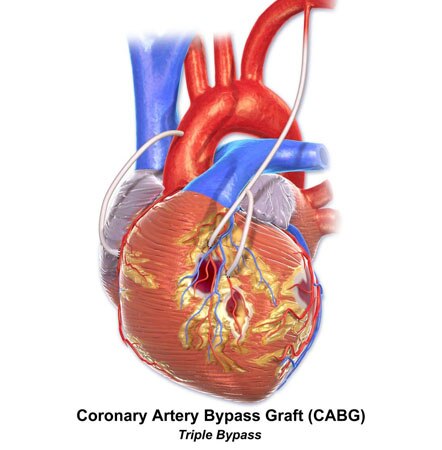 | Dr. Ashish Khanijo has been working as a Heart Specialist Doctor in Pune for many years and is also known for performing Coronary Bypass Surgery in... View product → |
 | Dr. Ashish Khanijo is known as Best Cardiac Surgeon in Pune Cardiac Surgery or Heart Surgery is performed to extend the lifespan of patients & to... View product → |
Frequently asked questions
What is the difference between bypass surgery and a pacemaker?
Coronary artery bypass grafting reroutes blood around blocked coronary arteries. A pacemaker delivers electrical impulses when the heart beats too slowly or its signals fail.
When do doctors consider coronary bypass surgery in Pune?
Doctors consider CABG for significant coronary artery disease, including extensive blockages, left main disease, or symptoms that persist despite medication and angioplasty options.
When is a pacemaker the appropriate treatment?
A pacemaker is appropriate when testing confirms a persistently slow heartbeat, heart block, or another conduction problem causing symptoms or creating a safety risk.
Which tests determine whether you need bypass surgery or a pacemaker?
Doctors use an ECG, ambulatory rhythm monitoring, echocardiography, stress testing, blood tests and coronary angiography according to the suspected problem.
Can someone need both bypass surgery and a pacemaker?
Yes. A patient can have blocked coronary arteries and a separate conduction disorder. The cardiology team decides whether either treatment comes first or whether both are needed.
Related items
 | Heart Transplant Surgery Dr. Ashish Khanijo for Heart Transplant Surgery in Pune – A renowned surgeon in Pune who has done 16 Heart Transplant Surgeries successfully. View service → |
 | Angiography Surgery Dr. Ashish Khanijo is working in Cardiovascular and Thoracic surgery since 1996. View service → |
 | Dr. Ashish Khanijo is working in Cardiovascular and Thoracic surgery since 1996. View product → |
 | Dr. Ashish Khanijo is a Heart Specialist doctor, he provides expert Heart Valve Surgery in Pune. He holds an experience of 12+ years in his field. View product → |
Keywords