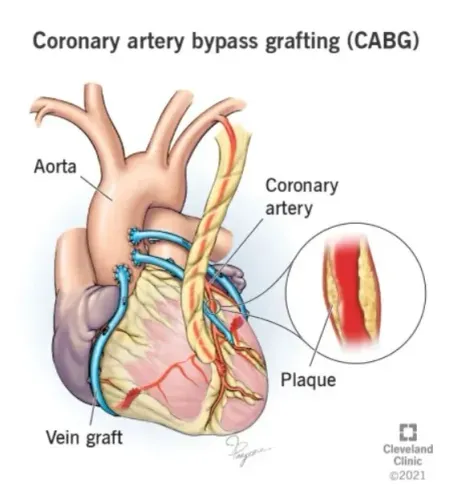

A valve abnormality on an echocardiogram does not automatically mean you need an operation, and the best treatment may be repair, replacement, catheter treatment or careful monitoring. You will be able to interpret the important findings, compare cardiothoracic surgeons in Pune and prepare informed questions about risk, recovery and lifelong follow-up.
Key takeaways
- Use valve area, pressure gradient and ejection fraction to assess severity.
- Compare repair, replacement and catheter treatment against your valve, age and surgical risk.
- Ask about surgeon experience, hospital outcomes, ICU care and emergency support.
- Bring echocardiograms, medication lists and reports on kidney, lung and coronary health.
Which valve diseases need a surgical assessment?
Echocardiography decides severity, but symptoms and heart damage decide urgency. Assessment includes valve area, pressure gradient, regurgitation volume, ejection fraction, chamber size, pulmonary pressure, rhythm, coronary disease, kidney and lung function, frailty, and previous operations.
Reduced activity can hide severe disease, so a Heart Team should review the whole picture before monitoring, medicines, repair, replacement, or catheter treatment.
| Valve disease | How it is assessed | Refer for surgical assessment when |
|---|---|---|
| Aortic stenosis | Echo measures valve area, peak velocity, gradient and left-ventricular function. | Severe disease causes breathlessness, chest pain or fainting, or reduces ventricular function; selected symptom-free patients need close surveillance. |
| Aortic regurgitation | Echo measures backflow, aortic size, ventricular dimensions and ejection fraction. | Severe leakage causes symptoms, ventricular enlargement or falling function. |
| Mitral stenosis | Echo measures valve area, gradient, pulmonary pressure and atrial rhythm. | Severe narrowing causes symptoms, pulmonary hypertension, atrial fibrillation or embolic risk. |
| Mitral regurgitation | Echo assesses mechanism, leakage severity, ventricular size and function. | Severe primary leakage causes symptoms or early ventricular enlargement or dysfunction. |
| Tricuspid disease | Assess leakage, right-ventricular size and function, and pulmonary pressure. | Severe symptomatic disease or right-heart damage exists, especially during left-valve surgery. |
| Pulmonary valve disease | Echo, ECG and sometimes cardiac MRI assess obstruction, leakage and right-ventricular effects. | Significant symptoms, pressure overload, right-ventricular enlargement or dysfunction develops. |
A referral does not guarantee an operation; it clarifies whether medicines and surveillance remain safe. That distinction matters when seeking heart valve surgery in Pune.
How are repair, replacement and catheter treatments compared?
Repair is preferred for primary degenerative mitral regurgitation when the anatomy offers a durable result. It preserves the native valve and avoids prosthesis-related problems; an uncertain or failed repair may require replacement.
| Option | Main trade-off | When the Heart Team considers it |
|---|---|---|
| Repair | Preserves native tissue; durability depends on anatomy and expertise | Durable mitral repair is technically likely |
| Mechanical valve | Very durable, but requires lifelong warfarin and INR testing | Younger patients or those facing reoperation, with reliable anticoagulation follow-up |
| Tissue valve | Usually avoids lifelong warfarin for the valve itself, but can deteriorate | Older patients, higher bleeding risk, pregnancy plans, or difficulty maintaining INR checks |
| Open surgery | Broad access for complex repair, replacement or combined procedures; longer recovery | Anatomy, age, surgical risk and associated disease favour an operation |
| Minimally invasive surgery | Smaller access in selected cases, but not suitable for every valve or anatomy | An experienced centre can achieve the required repair or replacement safely |
| TAVR or TAVI | Catheter replacement without open-chest surgery; durability and access-route issues matter | Usually selected for suitable aortic stenosis patients after assessing age, life expectancy and surgical risk |
| Transcatheter edge-to-edge repair | Clips the mitral or tricuspid leaflets; reduces leakage without surgical repair | Severe regurgitation, suitable anatomy and prohibitive or high surgical risk |
Pregnancy plans make warfarin management critical because anticoagulation affects both mother and fetus. A Heart Team weighs cardiothoracic surgery benefits against bleeding, stroke, kidney injury, recovery and future reoperation. It includes cardiac surgery and interventional cardiology, not one specialist working alone.
How should you compare cardiothoracic surgeons in Pune?
Compare cardiothoracic surgeons in Pune by the operation your anatomy requires, not by title or years in practice. A valve surgeon in Pune should personally perform the relevant mitral repair, aortic replacement, minimally invasive, redo or combined bypass procedure.
The surgeon operates; a cardiologist manages diagnosis and medicines, an interventional cardiologist delivers TAVR/TAVI, a cardiac anaesthetist manages anaesthesia, and rehabilitation staff restore activity.
Ask for:
- The centre’s mitral repair rate for primary degenerative regurgitation, broken down by anatomy, and its durable-repair and replacement rates.
- Aortic surgery and redo-sternotomy experience, including outcomes for complex or calcified anatomy.
- Risk estimates using the Society of Thoracic Surgeons Adult Cardiac Surgery Risk Calculator, with limitations explained.
- Rates of death, stroke, bleeding, kidney injury, infection, pacemaker use and residual leakage—not only success claims.
- A named Heart Team review covering open surgery, repair, replacement and TAVR/TAVI.
- On-site cardiac ICU, emergency reoperation, blood bank, imaging and 24-hour specialist cover.
- Written follow-up arrangements, echocardiograms, anticoagulation checks and rehabilitation.
- Ask Dr Ashish Khanijo Cardiac Specialist. 08048032879 which hospital pathway provides these services and which are actually available.
| Role | Main responsibility | What to clarify |
|---|---|---|
| Cardiologist | Diagnosis and medical care | Who coordinates referrals and imaging? |
| Interventional cardiologist | Catheter valve treatment | Is TAVR/TAVI suitable? |
| Cardiac surgeon | Repair or surgical replacement | Who personally performs your operation? |
Related products
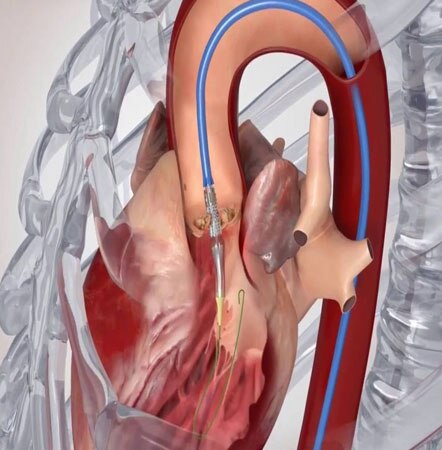 | Dr. Ashish Khanijo is a Heart Specialist doctor, he provides expert Heart Valve Surgery in Pune. He holds an experience of 12+ years in his field. View product → |
 | Dr. Ashish Khanijo is known as Best Cardiac Surgeon in Pune Cardiac Surgery or Heart Surgery is performed to extend the lifespan of patients & to... View product → |
What should you do before meeting a valve surgeon?
Make the appointment useful by bringing your complete clinical record, not merely a verbal diagnosis. Before meeting a valve surgeon in Pune, collect:
- The echocardiogram report and image files. Check that they describe the valve, lesion and severity, ventricular function, chamber size, pulmonary pressure and associated lesions.
- Your ECG, relevant blood tests, kidney-function results, CT scans and coronary angiography when indicated.
- A current medication list with doses, allergies, previous surgical records and discharge summaries. Note fainting, breathlessness, chest pain, reduced activity and swelling.
- Treat active dental infection before elective surgery, stop smoking and improve diabetes control with your treating clinician. Arrange an adult to help at home, transport and time away from work.
- Ask about repair, replacement, catheter options, individual risk, recovery and the hospital pathway. Consent only after your questions are answered, and seek a second opinion when the recommendation or imaging is unclear.
Seek urgent medical care for fainting, severe breathlessness at rest, chest pain, blue lips, rapidly worsening swelling or pink frothy sputum. Do not wait for a routine consultation.
What happens during valve surgery and hospital recovery?
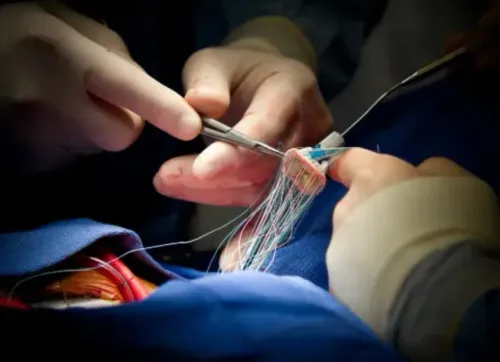
A valve operation often takes 3–6 hours. Access may involve a full sternotomy, opening the breastbone, or a minimally invasive incision between the ribs; either approach can require cardiopulmonary bypass, which temporarily circulates and oxygenates your blood while the heart is stopped.
Expect about 1–2 days in intensive care and 5–10 days in hospital, followed by weeks of restricted activity.
Ask which risks apply to your valve, procedure and health:
- Bleeding, transfusion or reoperation
- Wound or chest infection
- Stroke
- Atrial fibrillation or another arrhythmia
- Kidney injury
- Breathing complications, pneumonia or prolonged ventilation
- Permanent pacemaker requirement
- Residual or recurrent valve leakage
- Blood clots, including risks linked to prosthetic valves
- Death
The cardiothoracic surgery benefits can include less breathlessness, better exercise tolerance, improved heart-failure control and longer survival when severe valve disease is treated successfully. Those benefits must be weighed against recovery, anticoagulation or tissue-valve deterioration after replacement, and the individual risk estimate.
For heart valve surgery in Pune, ask for a Society of Thoracic Surgeons risk calculation and discuss what it may miss, such as frailty or unusual anatomy; it is an estimate, not a guarantee.
What follow-up, activity limits and lifelong care are required?
Recovery after heart valve surgery is measured in weeks, not days. Keep the incision clean and dry, do not soak it until healed, and check daily for spreading redness, drainage or separation. Driving usually waits 4–6 weeks, while desk work may resume in 4–8 weeks and physical work later, after review.
- Walk several times daily, increasing distance gradually; stop before exhaustion.
- Avoid lifting more than 2–5 kg until the sternum has healed, often for 6–8 weeks.
- Join supervised cardiac rehabilitation for monitored exercise, strength, education and risk-factor control.
- Follow a low-salt eating pattern, limit processed foods, control diabetes, stop smoking and take medicines exactly as prescribed.
- Plan echocardiograms, ECGs and specialist reviews at discharge, after recovery and at intervals set by your valve team; repeated visits and imaging are part of lifelong care.
Mechanical valves require lifelong anticoagulation, usually warfarin, with regular INR blood tests and dose adjustments. Tissue valves avoid anticoagulation solely because of the prosthesis, but can deteriorate and require another intervention. Contact the surgical team promptly for fever, worsening breathlessness, chest pain, fainting, rapid swelling, palpitations, wound pus or bleeding.
People comparing cardiothoracic surgeons for heart valve surgery in Pune should ask who coordinates this follow-up.
Frequently asked questions
Which valve diseases need a surgical assessment?
Arrange a surgical assessment for severe valve narrowing or leakage, symptoms such as breathlessness or chest pain, falling ejection fraction, enlarged heart chambers, pulmonary hypertension, rhythm problems, or previous valve surgery. Echocardiography provides measurements including valve area, pressure gradient, regurgitation volume and ejection fraction.
How are valve repair, replacement and catheter treatments compared?
The team compares whether the valve can be repaired, whether a mechanical or tissue replacement is more suitable, and whether a catheter procedure fits your anatomy and surgical risk. Discuss durability, blood-thinning treatment, recovery time, repeat-procedure risk and coronary disease before choosing.
How should you compare cardiothoracic surgeons in Pune?
Check the surgeon’s training, experience with your specific valve operation, hospital facilities, intensive-care support, heart-team access and follow-up process. Ask who performs the operation, how complications are managed and which records support the recommendation.
What should you do before meeting a valve surgeon?
Bring echocardiogram images and reports, ECGs, angiography or CT scans, discharge summaries, a complete medicine list, allergy information and details of previous operations. Write down symptoms, their timing, exercise limits and questions about repair, replacement and catheter options.
What happens during valve surgery and hospital recovery?
After anaesthesia, the surgeon repairs or replaces the valve through the planned surgical approach. Recovery includes monitoring in intensive care, breathing support until safe, pain control, walking, wound care and checks for rhythm, bleeding, infection, kidney function and heart performance.
Keywords