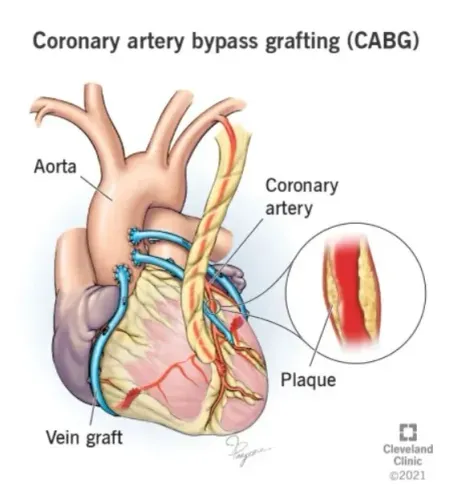

Choosing a valve procedure involves more than identifying whether the valve is narrowed or leaking. You will need to compare repair, replacement, catheter-based treatment and monitoring while assessing the chance of a temporary or permanent pacemaker, the tests that guide the decision and the follow-up available after discharge.
Key takeaways
- Match repair, replacement or catheter treatment to the valve problem and severity.
- Ask the Heart Team why one valve operation choice suits your long-term risk.
- Discuss pacemaker risk, monitoring and follow-up before valve surgery.
- Compare surgeon expertise, hospital facilities, recovery time and total care plan in Pune.
Which heart valve surgery options fit the valve problem?
The main heart valve surgery options are repair, surgical replacement, transcatheter treatment and medical monitoring; the valve problem, its severity and your long-term risk determine the fit.
| Option | What it involves | When it fits |
|---|---|---|
| Surgical repair | Reshapes or stabilises your own valve | Often preferred for suitable degenerative primary mitral regurgitation when a durable repair is highly likely |
| Mechanical replacement | Replaces the valve with a long-lasting mechanical prosthesis | Appropriate when repair is unreliable and maximum durability matters |
| Tissue or bioprosthetic replacement | Uses animal or human tissue | Useful when avoiding lifelong anticoagulation is important, accepting that the valve can deteriorate over time |
| Transcatheter replacement or repair | Delivers a valve or repair device through a catheter | Suitable anatomy and access, particularly when surgical risk favours a catheter procedure |
| Medical monitoring | Echocardiograms, symptom review and medicines when indicated | Appropriate when disease is not yet severe enough for intervention |
Repair is sensible only when the result is likely to last. If infection, heavy calcification or damaged valve tissue makes repair unreliable, replacement may provide the safer durable result.
Mechanical valves offer long durability but require lifelong warfarin and regular INR testing; direct oral anticoagulants are not substitutes. Tissue valves avoid lifelong anticoagulation for many patients but can wear out, especially over a long remaining lifespan.
A pacemaker treats slow or blocked electrical conduction. It does not open a narrowed valve or stop a leaking valve, so correcting the valve remains central when valve disease causes breathlessness, fainting or heart enlargement.
How does the Heart Team make the valve operation choice?
The Heart Team makes the heart valve operation choice from the whole patient, not the valve name alone. It reviews symptoms, left-ventricular function, valve anatomy, age, life expectancy, infection, surgical risk and the centre’s local expertise.
Severe primary mitral regurgitation may warrant intervention before symptoms appear when ejection fraction is 60% or less or end-systolic diameter is at least 40 mm. The team also asks whether repair is durable, whether infection has damaged the valve, and whether replacement offers a safer result.
For severe aortic stenosis, surgical replacement is generally favoured below age 65 or when life expectancy exceeds 20 years. Transcatheter replacement is often favoured above age 80 or when life expectancy is below 10 years; ages 65–80 require shared decision-making when anatomy and vascular access permit.
The assessment proceeds in a defined sequence:
1. A transthoracic echocardiogram measures valve severity, ejection fraction and chamber changes. A transoesophageal echocardiogram gives closer images for repair planning, clots and infection.
2. An ECG identifies rhythm and conduction disease; Holter monitoring is added for intermittent palpitations, dizziness or fainting. Cardiac CT maps valve anatomy and catheter access, while coronary angiography assesses coronary arteries when indicated.
3. Blood tests check anaemia, kidney function and infection, and guide anticoagulation planning. The team then balances recovery, durability, pacemaker risk and available surgical, imaging and electrophysiology expertise before recommending treatment.
When is open, minimally invasive or catheter-based treatment appropriate?
Conventional open surgery provides direct access and suits complex valve repair, combined coronary treatment or another operation, but it brings larger incisions and a heavier recovery burden.
| Route | What it offers | When it is appropriate | Trade-off |
|---|---|---|---|
| Conventional surgery | Direct access to the heart and valve | Complex repair, coronary bypass or another operation is needed | Larger recovery burden |
| Minimally invasive surgery | Smaller chest incisions | Anatomy, the surgeon and the centre all support the approach | Smaller incisions do not guarantee lower risk or better durability |
| Catheter treatment | Avoids opening the chest | TAVI or selected edge-to-edge repair suits the valve, vascular access and imaging findings | Access complications, reintervention and pacemaker risk still matter |
Minimally invasive surgery is not simply open surgery with fewer problems. The team must confirm that the valve anatomy permits safe access and that conversion to open surgery is planned if exposure is inadequate.
Catheter procedures such as transcatheter aortic valve implantation and selected edge-to-edge repair can benefit patients whose surgical risk or anatomy favours them. They still require suitable valve anatomy, adequate blood-vessel access and detailed imaging.
For valve surgery in Pune, ask about:
- Expected repair durability and the chance of conversion to open surgery
- Stroke, bleeding and reintervention rates
- The procedure-specific permanent-pacemaker rate
Choose the route for its complete risk and durability profile, not solely for incision size.
How should you plan for a pacemaker after valve surgery?
A pacemaker after valve surgery is not routine, but swelling or surgical injury near the heart’s conduction system can interrupt electrical signals and cause heart block. Procedures involving the aortic or mitral valves carry greater rhythm risk, and permanent-pacemaker rates are generally higher after transcatheter aortic valve implantation than after conventional surgical replacement.
1. Obtain a preoperative ECG and conduction-risk assessment. Record right- or left-bundle-branch block, first-degree AV block, a prolonged PR interval, older age, the planned valve approach and any existing pacemaker or defibrillator.
2. Use temporary pacing wires when needed during recovery. These wires support the heart outside the body and do not represent a permanent implanted pacemaker.
3. Observe advanced second-degree or third-degree heart block for recovery, often for about seven days after surgery. Implant permanently sooner when unstable rhythm, poor escape rhythm or another clinical need makes waiting unsafe.
4. Arrange permanent implantation during the same hospitalisation when block persists, or later if the rhythm problem remains after discharge and monitoring confirms the need.
If you already have a pacemaker or defibrillator, require interrogation before and after surgery. Document the battery status, programmed settings, underlying rhythm, pacing dependence and an electrocautery plan.
A new implant complicates warfarin management for a mechanical valve because pocket bleeding must be balanced against valve thrombosis. The valve, electrophysiology and anticoagulation teams must decide together whether to continue, interrupt or bridge treatment.
What should you compare when arranging valve surgery in Pune?
For heart valve surgery and pacemaker considerations in pune, compare the complete service, not the hospital’s overall cardiac volume. Ask whether it provides cardiac surgery, interventional cardiology, cardiac anaesthesia, advanced imaging, intensive care and electrophysiology support on one coordinated pathway.
| Centre | Ask for |
|---|---|
| Repair programme | Procedure-specific repair success, conversion-to-open-surgery and reoperation rates |
| Valve replacement | Permanent-pacemaker implantation, stroke and mortality rates |
| After discharge | Named contact for INR testing with a mechanical valve, or device interrogation |
Before choosing valve surgery in Pune, ask:
- Who reviews the Heart Team decision, and which echocardiography, CT and rhythm findings support the proposed approach?
- What is the centre’s rate for this exact valve procedure, valve type and access route—not a general cardiac-surgery figure?
- Who manages temporary pacing, and when would persistent advanced heart block lead to permanent implantation?
- If you already have a pacemaker or defibrillator, who documents battery status, settings, pacing dependence and electrocautery precautions before and after surgery?
Follow-up can involve the surgeon, cardiologist and device clinic. Seek urgent review for fainting, worsening breathlessness, palpitations, fever, wound problems or swelling over the pacemaker site. Dr Ashish Khanijo Cardiac Specialist.
08048032879 can help a Pune patient discuss the proposed valve approach, conduction risk, temporary pacing and referral needs; the final choice must reflect the full Heart Team assessment and procedure-specific outcomes.
Related products
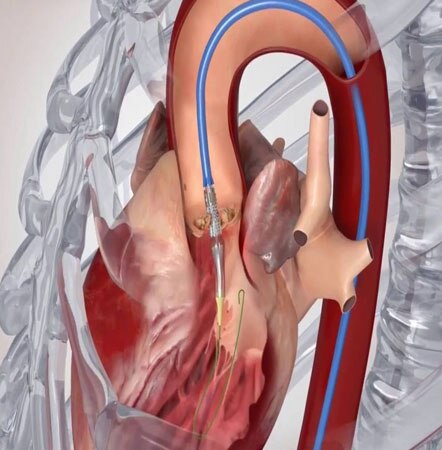 | Dr. Ashish Khanijo is a Heart Specialist doctor, he provides expert Heart Valve Surgery in Pune. He holds an experience of 12+ years in his field. View product → |
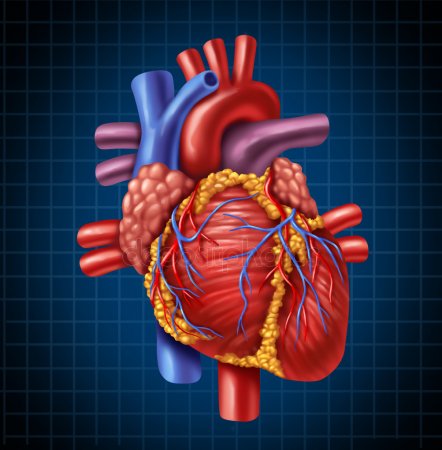 | Dr. Ashish Khanijo is known as Best Cardiac Surgeon in Pune Cardiac Surgery or Heart Surgery is performed to extend the lifespan of patients & to... View product → |
Frequently asked questions
Which heart valve surgery options fit different valve problems?
Repair, surgical replacement, transcatheter treatment and medical monitoring fit different conditions. The choice depends on the affected valve, disease severity, anatomy and long-term risk.
How does the Heart Team choose a valve operation?
The Heart Team reviews imaging, symptoms, valve anatomy, age, other medical conditions, surgical risk and expected durability before recommending an operation.
When is open, minimally invasive or catheter-based treatment appropriate?
Open surgery suits problems requiring direct access or complex repair. Minimally invasive surgery uses smaller incisions in selected patients. Catheter-based treatment suits specific valve anatomy and risk profiles.
How should you plan for a pacemaker after valve surgery?
Ask whether the valve problem or procedure could affect the heart’s electrical system, how long monitoring will continue and what symptoms require urgent review. A pacemaker is used when conduction problems persist or meet clinical criteria.
What should you compare when arranging valve surgery in Pune?
Compare the recommended procedure, surgeon and Heart Team experience, hospital cardiac facilities, ICU and imaging access, recovery requirements, follow-up plan and pacemaker support.
Related items
 | Heart Transplant Surgery Dr. Ashish Khanijo for Heart Transplant Surgery in Pune – A renowned surgeon in Pune who has done 16 Heart Transplant Surgeries successfully. View service → |
 | Dr. Ashish Khanijo has been working as a Heart Specialist Doctor in Pune for many years and is also known for performing Coronary Bypass Surgery in... View product → |
 | Dr. Ashish Khanijo is working in Cardiovascular and Thoracic surgery since 1996. View product → |
Keywords