A vascular surgeon is usually not the specialist who treats an isolated narrowed or leaking heart valve. By the end, you will know which clinician to contact first, which tests and measurements determine treatment, and when vascular expertise becomes important for catheter access, combined artery disease, or a procedure complication.
Key takeaways
- See a cardiologist first for suspected valve disease and an echocardiogram.
- Severe breathlessness, fainting, chest pain, or blue lips require emergency care.
- Echocardiography shows valve narrowing, leakage, heart strain, and disease severity.
- Choose a team that can coordinate valve treatment with artery disease management.
Which specialist should assess a heart valve problem first?
A cardiologist should assess a suspected heart valve problem first. They use examination and echocardiography to identify the affected valve and judge whether narrowing or leakage is mild, moderate, or severe.
| Specialist | Main role | When involved |
|---|---|---|
| Cardiologist | Assesses valve structure, severity, heart function, and symptoms | First assessment for suspected valve disease |
| Interventional cardiologist | Performs catheter-based treatments | TAVR/TAVI, balloon valvotomy, or selected valve repairs |
| Cardiac surgeon | Repairs or replaces heart valves through surgery | When durable repair or surgical replacement is needed |
| Cardiothoracic surgeon | Operates on the heart, lungs, and chest | Valve surgery, especially within a cardiothoracic team |
| Vascular surgeon | Treats arteries and veins outside the heart | Artery disease, aneurysm, access planning, or vascular complications |
A structural-heart team may coordinate catheter procedures and decide between surgery and transcatheter treatment. Cardiac or cardiothoracic surgeons manage surgical valve repair or replacement; a vascular surgeon does not usually treat the valve itself.
A person with isolated aortic or mitral disease should not usually start with vascular surgery. Searching for a vascular surgeon for heart valve problems in Pune can lead to the wrong first referral and delay echocardiography, severity grading, and timely valve treatment.
A vascular surgeon in Pune becomes relevant when you also have carotid or peripheral artery disease, an aortic aneurysm or dissection, dialysis-access needs, or an artery injury after catheter treatment.
Before transfemoral TAVR/TAVI, the specialist may assess femoral or iliac arteries that are narrow, heavily calcified, tortuous, aneurysmal, or unsafe, then help plan another access route or repair bleeding, dissection, or limb-ischaemia complications.
Which valve conditions need assessment, and which symptoms are emergencies?
Every listed valve condition warrants medical assessment, although symptoms alone cannot identify the valve or its severity. Echocardiography shows narrowing, leakage, chamber strain, and pumping function.
| Condition | Why assessment matters |
|---|---|
| Aortic stenosis | Narrowing can restrict blood flow and cause fainting or heart failure. |
| Aortic regurgitation | Leakage can enlarge and weaken the left ventricle. |
| Mitral stenosis | Narrowing can raise lung pressure and trigger breathlessness. |
| Mitral regurgitation | Leakage can enlarge the heart and reduce forward flow. |
| Tricuspid disease | Leakage or narrowing can cause ankle swelling and abdominal congestion. |
| Pulmonary valve disease | Obstruction or leakage can strain the right ventricle. |
| Prosthetic-valve dysfunction | A replacement valve can leak, narrow, thrombose, or fail. |
| Infective endocarditis | Infection can destroy a valve and spread through the bloodstream. |
Exertional breathlessness, breathlessness when lying down, fatigue, reduced exercise tolerance, ankle swelling, palpitations, dizziness, fainting, or chest discomfort all justify prompt review. They do not prove valve disease, but delaying assessment can allow acute valve failure to develop.
Call emergency services now for severe breathlessness at rest, fainting with chest pain, blue or grey lips, sudden weakness or other neurological symptoms, coughing pink frothy sputum, fever with a new murmur, or rapidly worsening swelling.
Acute valve failure, infective endocarditis, and pulmonary oedema can deteriorate within hours, so they cannot wait for a routine appointment. People seeking care for heart valve problems in pune should use the emergency department for these warning signs.
What tests show whether a valve is mild, severe, or dangerous?
Echocardiography is the central test for grading valve disease. A transthoracic echocardiogram (TTE) shows whether a valve is narrowed or leaking, measures valve area, pressure gradient and regurgitant volume, and assesses ejection fraction, chamber size and estimated pulmonary artery pressure. These findings help distinguish mild disease from severe disease that is damaging the heart.
| Test | What it answers |
|---|---|
| Transthoracic echocardiography | Valve narrowing or leakage, severity, pumping function and chamber changes |
| Transoesophageal echocardiography | Closer valve images when TTE images are limited, infection or prosthetic-valve disease is suspected, or detailed anatomy is needed |
| ECG | Abnormal rhythm and electrical signs of cardiac strain |
| Chest X-ray | Lung congestion or an enlarged heart |
| Cardiac CT | Valve, aortic-root and other vascular anatomy |
| Cardiac MRI | Chamber volumes, pumping function and blood flow |
| Cardiac catheterisation | Direct chamber and pulmonary pressures, plus coronary-artery assessment |
A dangerous result depends on more than the valve measurement. Symptoms, ventricular enlargement, reduced ejection fraction, raised pulmonary pressure and rapid progression can change treatment timing even when symptoms seem manageable.
Before TAVR or TAVI, CT angiography of the aortic root and iliofemoral arteries checks calcification, narrow diameter, tortuosity, aneurysm and dissection; these findings can make femoral access unsafe and require another route or operation.
When are medicines, repair, replacement, or catheter treatment appropriate?
Mild or asymptomatic valve disease is usually monitored with clinical review and repeat echocardiography, not treated automatically. Medicines such as diuretics, blood-pressure treatment, and rhythm control relieve congestion or other consequences, but they do not remove a severely narrowed valve.
| Option | What it means | When it applies |
|---|---|---|
| Repair | Preserves your valve | When durable repair is feasible, especially for many mitral regurgitation cases |
| Replacement | Uses a mechanical or tissue prosthesis | When repair is unsuitable or unlikely to last |
| TAVR or TAVI | Replaces the aortic valve through a catheter | Selected patients with aortic stenosis after assessment of anatomy, risk, life expectancy, durability, and access vessels |
| Edge-to-edge repair | Clips leaking valve leaflets together | Selected mitral or tricuspid regurgitation when surgery is unsuitable |
| Balloon valvotomy | Opens a narrowed valve with an inflatable balloon | Suitable valve anatomy, often in selected mitral stenosis cases |
Intervention becomes more likely with troublesome symptoms, severe obstruction or leakage, falling ejection fraction, chamber enlargement, raised pulmonary pressure, or rapid progression. Prosthetic-valve dysfunction and infective endocarditis require specialist, sometimes urgent, management.
- Ask whether the valve is mild, moderate, or severe.
- Ask whether repair is durable and feasible.
- Ask whether TAVR access vessels are wide enough and what backup route exists.
- Discuss operative risk, valve durability, life expectancy, and your preference.
Damaged heart valve treatment is a heart-team decision, not an automatic operation. Heart valve surgery in Pune may mean repair, replacement, or a catheter procedure chosen after this review.
How should you choose the right team for combined valve and artery disease?
Choose a valve-led team, adding vascular expertise when artery disease affects safety or access. For isolated valve disease, begin with a cardiology or structural-heart assessment; if intervention is needed, obtain cardiac or cardiothoracic surgical review.
| Role | Main responsibility | When to involve |
|---|---|---|
| Cardiologist or structural-heart team | Confirm valve severity and treatment options | Any suspected valve disease |
| Cardiac or cardiothoracic surgeon | Assess repair, surgical replacement, and operative risk | Repair or replacement is being considered |
| Vascular surgeon | Manage arteries, veins, access routes, and vascular injuries | Carotid or peripheral artery disease, aortic aneurysm or dissection, unsafe iliofemoral access, or a complication |
Ask these questions at the consultation:
- Which valve is affected, and is the disease mild, moderate, or severe?
- What are the valve area, pressure gradient, leakage measurements, heart function, and chamber size?
- Is repair feasible, or is replacement more appropriate?
- Has a multidisciplinary heart team reviewed the case?
- If TAVR or TAVI is proposed, are the femoral and iliac arteries wide enough and safe enough for catheter passage?
- What is the backup access plan if those arteries are too narrow, calcified, tortuous, aneurysmal, or dissected?
A vascular surgeon for heart valve problems in Pune may help select an alternative TAVR/TAVI route or repair bleeding, dissection, perforation, or limb-ischaemia complications, but does not replace the valve specialist. Dr Ashish Khanijo Cardiac Specialist.
08048032879 is a local cardiac-surgical option for discussing valve evaluation and heart valve surgery in Pune; request vascular input when an artery issue is part of the case.
Related products
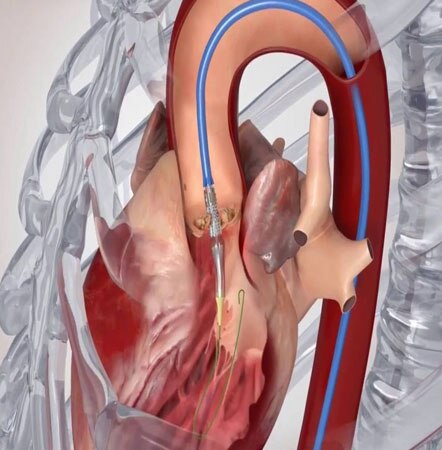 | Dr. Ashish Khanijo is a Heart Specialist doctor, he provides expert Heart Valve Surgery in Pune. He holds an experience of 12+ years in his field. View product → |
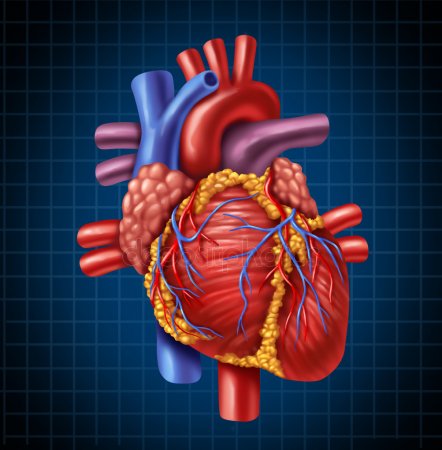 | Dr. Ashish Khanijo is known as Best Cardiac Surgeon in Pune Cardiac Surgery or Heart Surgery is performed to extend the lifespan of patients & to... View product → |
Frequently asked questions
Which specialist should assess a heart valve problem first?
A cardiologist should assess suspected valve disease first. Examination and echocardiography identify the affected valve and show whether narrowing or leakage is mild, moderate, or severe. A cardiac surgeon becomes involved when repair or replacement is being considered; a vascular surgeon is relevant when separate artery disease also needs treatment.
Which valve conditions need assessment, and which symptoms are emergencies?
Assessment is needed for valve narrowing, valve leakage, an abnormal heart murmur, breathlessness during activity, reduced exercise tolerance, ankle swelling, palpitations, or fainting. Seek emergency care for severe breathlessness at rest, chest pain, fainting, blue lips, confusion, or sudden worsening symptoms.
What tests show whether a valve is mild, severe, or dangerous?
A transthoracic echocardiogram usually provides the main assessment. It measures valve opening, blood-flow speed, pressure gradients, leakage, chamber size, and pumping function. Doctors may add a transoesophageal echocardiogram, electrocardiogram, chest X-ray, CT, cardiac MRI, or cardiac catheterisation when the findings are unclear or treatment planning requires more detail.
When are medicines, repair, replacement, or catheter treatment appropriate?
Medicines control congestion, blood pressure, heart rhythm, or clot risk but do not open a severely narrowed valve or permanently stop major leakage. Repair is preferred when the valve can be preserved safely. Replacement is considered when repair is unsuitable. Catheter procedures, such as transcatheter aortic valve replacement, suit selected patients after assessment of anatomy, surgical risk, age, and other illnesses.
How should you choose the right team for combined valve and artery disease?
Choose a team that includes a cardiologist, cardiac surgeon, and vascular surgeon when both valve disease and artery disease are present. Ask who will interpret the echocardiogram, decide between open and catheter treatment, manage blood thinners, and coordinate the order and timing of procedures.
Related items
 | Heart Transplant Surgery Dr. Ashish Khanijo for Heart Transplant Surgery in Pune – A renowned surgeon in Pune who has done 16 Heart Transplant Surgeries successfully. View service → |
 | Dr. Ashish Khanijo has been working as a Heart Specialist Doctor in Pune for many years and is also known for performing Coronary Bypass Surgery in... View product → |
 | Angiography Surgery Dr. Ashish Khanijo is working in Cardiovascular and Thoracic surgery since 1996. View service → |
Keywords