Angioplasty and thoracic surgery address different organs and different problems, so choosing between them starts with identifying whether the concern is a coronary artery, the heart itself, or another chest structure. By the end, you will know which specialist to approach, what tests guide the referral, and when a second opinion or emergency assessment matters.
Key takeaways
- A narrowed coronary artery usually leads to an interventional cardiology assessment.
- Heart or great-vessel disease may require a cardiac surgeon and bypass evaluation.
- Lung, pleural or chest-wall disease requires a thoracic surgery assessment.
- Bring scan reports, angiography images, medicines and previous discharge summaries.
First identify the organ: coronary artery, heart or chest structure
The diagnosis and organ decide the specialist: a narrowed coronary artery points to an interventional cardiologist, heart or great-vessel disease may require a cardiac surgeon, and lung or chest-structure disease points to a thoracic surgeon.
| Finding | Best-matched specialist | Why |
|---|---|---|
| Blocked or narrowed coronary artery | Angioplasty specialist in Pune, usually an interventional cardiologist | Performs coronary angiography and PCI through a wrist or groin artery, using a balloon and often a stent |
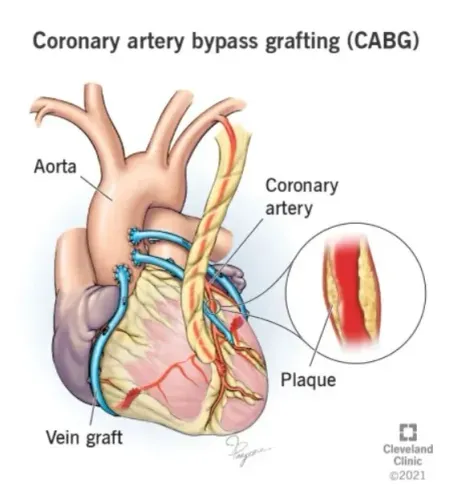
| Multivessel disease, unsuitable anatomy for PCI, valve disease or other heart operation | Cardiac or cardiothoracic surgeon | Performs bypass, valve repair or replacement, and surgery on the heart or major intrathoracic vessels |
| Lung mass, pleural disease, mediastinal tumour, airway problem or chest-wall condition | Thoracic surgeon | Treats surgical disease outside the heart, using VATS, robotic surgery where available, or open thoracotomy |
Angioplasty and thoracic chest surgery in Pune are not usually alternative treatments for the same diagnosis. Angioplasty opens a coronary artery without opening the chest; thoracic chest surgery in Pune addresses structures such as the lungs, pleura, mediastinum, oesophagus or chest wall.
Ask which specialist performs the procedure you need and which hospital provides 24-hour catheter-laboratory and cardiac-surgical backup. For suspected lung cancer, the thoracic consultation should cover tissue type, stage, lung function and the proposed wedge resection, segmentectomy or lobectomy.
Chest pressure, breathlessness, sweating, nausea, fainting, or pain spreading to the arm, jaw or back requires emergency assessment, not an elective appointment. Call local emergency services rather than driving yourself.
What happens during angioplasty, and when is it the right treatment?
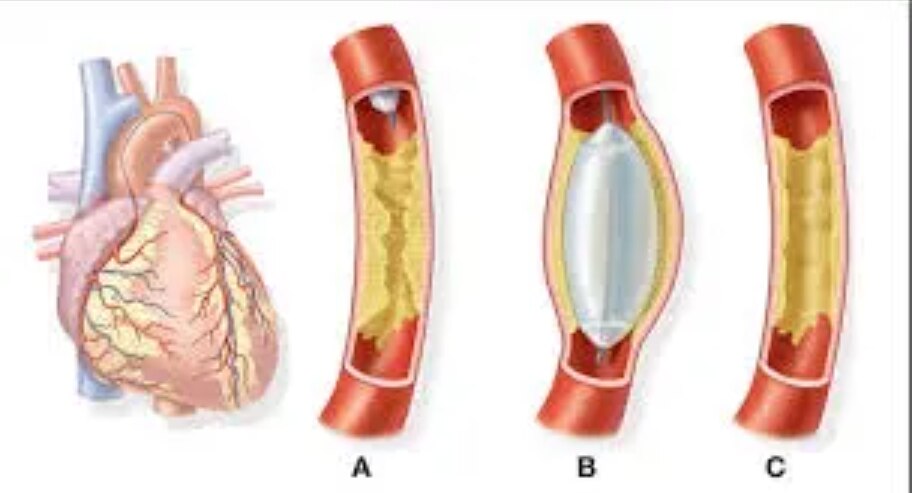
PCI opens a narrowed coronary artery from inside the vessel; it does not treat lung, pleural, chest-wall or other thoracic disease. An interventional cardiologist performs it after coronary angiography identifies the blockage and shows that a catheter-based approach is suitable.
- The doctor threads a catheter through an artery in the wrist or groin to the heart and injects contrast, producing angiogram images.
- A guidewire crosses the narrowing, and a small balloon expands the artery.
- The doctor places a drug-eluting stent to support the artery and improve blood flow.
- You receive antiplatelet medicines, commonly aspirin plus a second prescribed drug, to reduce stent-clot risk. Do not stop them without medical advice.
Many planned PCI patients leave the hospital the same day or after one night. Expect soreness or bruising at the wrist or groin, reduced heavy lifting for the period your team specifies, and follow-up for medicines, cholesterol control, blood pressure, diabetes, smoking cessation and cardiac rehabilitation.
Worsening chest pain, fainting, severe breathlessness or persistent bleeding needs urgent medical attention.
Angioplasty is a poor fit when disease is diffuse, involves complex left-main or multiple vessels, or the anatomy cannot be crossed or safely stented. Bypass surgery can provide better treatment after failed PCI or when several arteries are affected.
Ask an angioplasty specialist in Pune to review the actual angiogram, kidney function, diabetes and bleeding risk; request a cardiac surgery consultation in Pune when CABG may be safer.
What thoracic surgery involves, from biopsy to minimally invasive or open operation
A lung mass, recurrent pleural fluid, pneumothorax, coughing blood or a mediastinal lesion needs thoracic evaluation, not coronary angioplasty. Doctors assess the exact structure involved, obtain tissue when necessary and then decide whether surgery can remove the disease safely.
- Review contrast CT or PET-CT to map the lesion, lymph nodes and possible spread.
- Obtain tissue through bronchoscopy, CT-guided needle biopsy or surgical biopsy when imaging cannot establish the diagnosis.
- Check lung function with spirometry and diffusion capacity, alongside oxygen levels, kidney function and exercise tolerance.
- For suspected cancer, match the tissue type and stage with pulmonary reserve, general fitness and the goal of complete removal.
| Option | What it involves | When it applies | Main trade-off |
|---|---|---|---|
| VATS | Small chest incisions, a camera and instruments | Biopsy, pleural disease, wedge resection, segmentectomy or selected lobectomy | Less muscle damage, but limited access for some complex cases |
| Robotic surgery | Surgeon-controlled instruments through small ports | Precise dissection for selected lung, mediastinal or oesophageal operations | Requires suitable anatomy, equipment and an experienced team |
| Thoracotomy | One larger incision between the ribs | Large or invasive tumours, dense adhesions, reconstruction or difficult bleeding control | Wider access, with more pain and recovery time |
A chest surgery specialist in Pune should explain why the proposed approach fits your scan, biopsy and lung function. Searching for thoracic chest surgery in Pune is appropriate when the disease involves the lungs, pleura, airways, mediastinum, chest wall or oesophagus—not a narrowed coronary artery.
How test results determine medicines, PCI, bypass or chest treatment
A blockage percentage is only one data point. Clinicians combine symptoms, ECG, stress-test or fractional flow reserve results, angiogram anatomy, echocardiogram findings, kidney function, diabetes, bleeding risk, previous operations and surgical fitness before choosing treatment.
| Option | What clinicians compare | When it applies |
|---|---|---|
| Medicines | Symptoms, blood pressure, cholesterol, clot risk and whether reduced blood flow is demonstrated | Stable disease that does not require immediate vessel opening |
| PCI (angioplasty) | Number, length and location of lesions, vessel diameter, stent feasibility and ability to take antiplatelet medicines | A suitable coronary narrowing, especially when bypass risk or urgency favours catheter treatment |
| Bypass surgery | Left-main or complex multivessel anatomy, diabetes, ventricular function, graft durability and operative risk | Disease where stents are unlikely to provide complete or lasting revascularisation |
| Chest treatment | The organ involved, biopsy result, tumour or infection extent, lung function and imaging of the pleura, mediastinum or chest wall | Lung, airway, oesophageal, pleural or chest-wall disease; it is not an alternative to coronary PCI |
A cardiac surgery consultation in Pune should include the actual angiogram images, not just the reported “80% blockage.” Complex left-main or multivessel disease deserves a Heart Team review involving an interventional cardiologist, cardiac surgeon and other relevant specialists.
The phrase angioplasty or thoracic chest surgery in Pune can describe two entirely different referral pathways: PCI for coronary arteries, and thoracic surgery for chest organs. Ask which diagnosis is being treated and what result each option is expected to achieve.
How to choose the right Pune team and prepare for the consultation
Before consenting to an elective procedure, verify the doctor’s exact role, the hospital’s emergency backup and the plan if the proposed treatment cannot be completed. A clinic label alone does not prove procedural expertise.
| Specialist or service | Verify | Why it matters |
|---|---|---|
| Angioplasty specialist in Pune | Interventional cardiologist who performs coronary angiography and PCI | A doctor focused mainly on hypertension or rhythm disorders may not perform stenting. |
| Chest surgery specialist in Pune | Thoracic surgeon experienced with lung, pleural, mediastinal or chest-wall disease | Thoracic surgery is not a substitute for coronary angioplasty. |
| Cardiothoracic surgeon | Experience with CABG or structural heart operations | Bypass and heart surgery require a different operative team. |
| Hospital | 24-hour catheter laboratory, cardiac-surgical backup, intensive care and infection-control systems | A complication may require immediate escalation, not transfer to another facility. |
Ask which operation fits your diagnosis, what happens if PCI fails, and whether CABG, biopsy, medication, radiation or pulmonary rehabilitation is the safer alternative. For lung cancer, ask why wedge resection, segmentectomy or lobectomy matches the stage and your lung function.
Take the CT or angiography images, written reports, ECG, echocardiogram, pulmonary-function tests, biopsy results, discharge summaries, medication list and allergy record to your cardiac surgery consultation in Pune. Ask for expected hospital stay, follow-up responsibility and warning signs.
You can separately verify the doctor’s registration and the hospital’s accreditation. Dr Ashish Khanijo Cardiac Specialist. 08048032879 can help clarify whether a cardiac referral or a different thoracic pathway fits the findings.
Related product
 | Dr. Ashish Khanijo is working in Cardiovascular and Thoracic surgery since 1996. View product → |
Frequently asked questions
Which specialist treats a narrowed coronary artery?
An interventional cardiologist evaluates a narrowed coronary artery and decides whether medicines, angioplasty with stenting or referral for bypass surgery is appropriate.
What happens during angioplasty?
A catheter is guided through a blood vessel to the coronary artery. A balloon opens the narrowed segment, and a stent is placed when the treatment plan requires one.
What does thoracic chest surgery treat?
Thoracic surgery addresses conditions involving the lungs, pleura, mediastinum, chest wall and other structures inside the chest. The operation may involve a biopsy, minimally invasive procedure or open surgery.
How do test results determine angioplasty, bypass or chest treatment?
Symptoms, examination findings, ECG, echocardiography, coronary imaging, CT scans, pulmonary tests and biopsy results help the team choose medicines, PCI, bypass or thoracic treatment.
What should I take to a cardiac or chest surgery consultation in Pune?
Take scan and angiography reports, image discs or links, ECGs, biopsy results, blood-test reports, current medicine strips and previous hospital discharge summaries.
Keywords